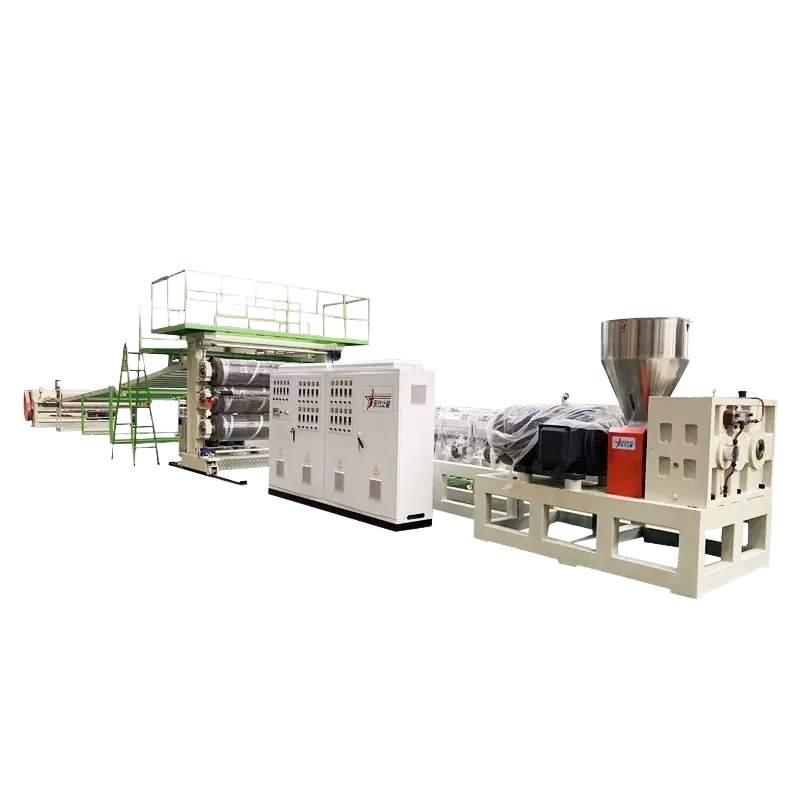
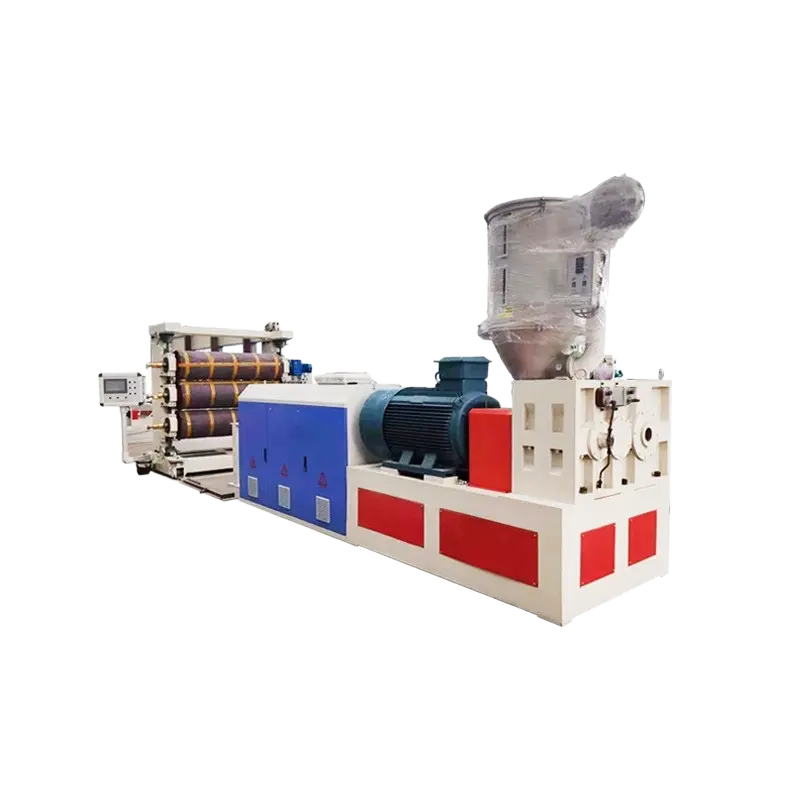
Frequently occurring problems on the surface of ABS sheets:
White streaks, bubbles, and cloudy watermarks frequently appear on the sheet surface. There are four main causes:
1. Insufficient raw material drying (ABS is highly hygroscopic, with a moisture content > 0.05%)
2. Excessively high barrel/die temperature, leading to thermal decomposition and gas generation from the material
3. Poor venting, insufficient screw back pressure, and air entrapment in the melt
4. Dead corners in the die flow channel, causing melt retention and degradation.
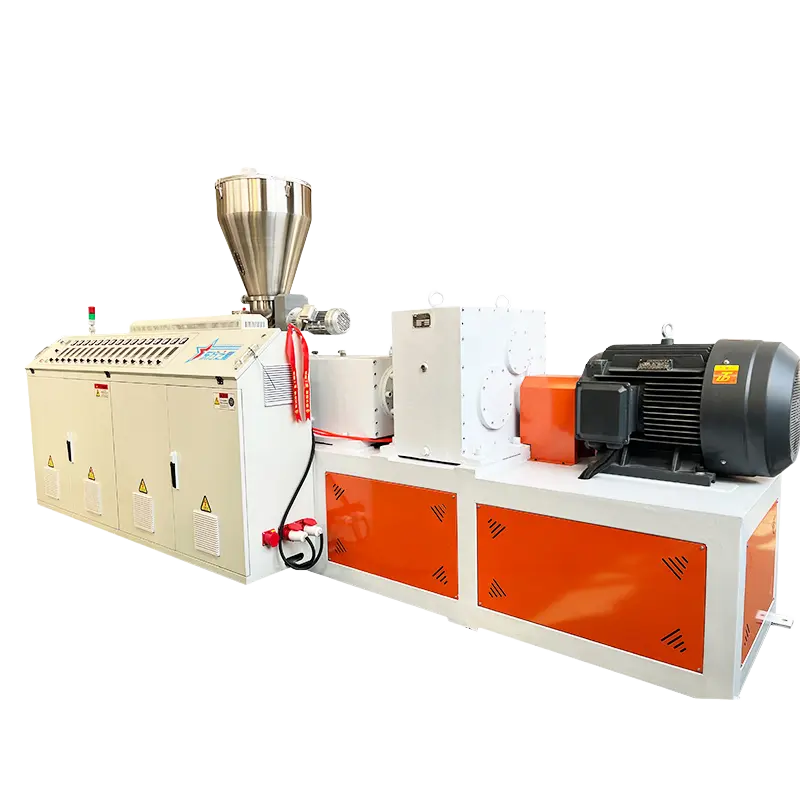
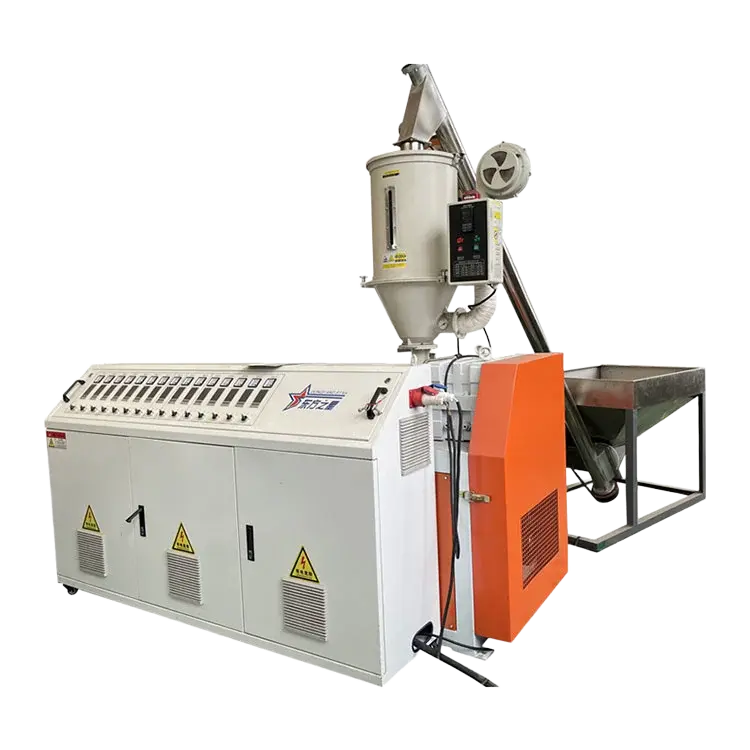
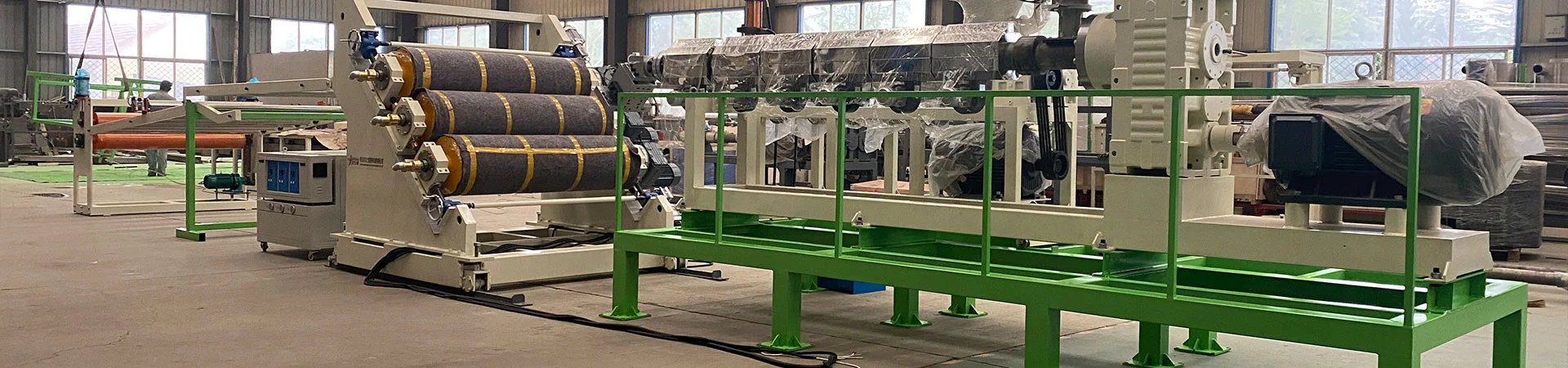
We will be market-demand oriented, combining the upgrading needs of downstream industries (food packaging, medical, building materials, new energy vehicles), optimizing existing sheet extrusion equipment, and deploying high-end sheet extrusion equipment to create a differentiated competitive advantage.
What are the applications of root control meshes?
Root control meshes are used in a wide range of applications, from professional nurseries to home use, from common seedlings to rare varieties, and from lowland seedling cultivation to afforestation in saline-alkali land/barren hills.
Why are root control meshes used so widely?
Roots grow in separate zones without tangling, with good aeration and drainage, allowing for precise control of the seedling growth environment, improving seedling survival rate and uniformity, and making them suitable for large-scale, refined seedling cultivation.
Including rice seedling trays and vegetable seedling trays. Rice seedling trays are mostly made of PVC and PET, while vegetable seedling trays are made of PVC, PET, PS, and PP. Domestically, PET is predominant, and most are disposable. Internationally, PS is predominant, and seedling trays are reusable.
We use cookies to offer you a better browsing experience, analyze site traffic and personalize content. By using this site, you agree to our use of cookies.Privacy Policy
 27 2026-02
  25 2026-02
  25 2026-02
  05 2026-02
  31 2026-01