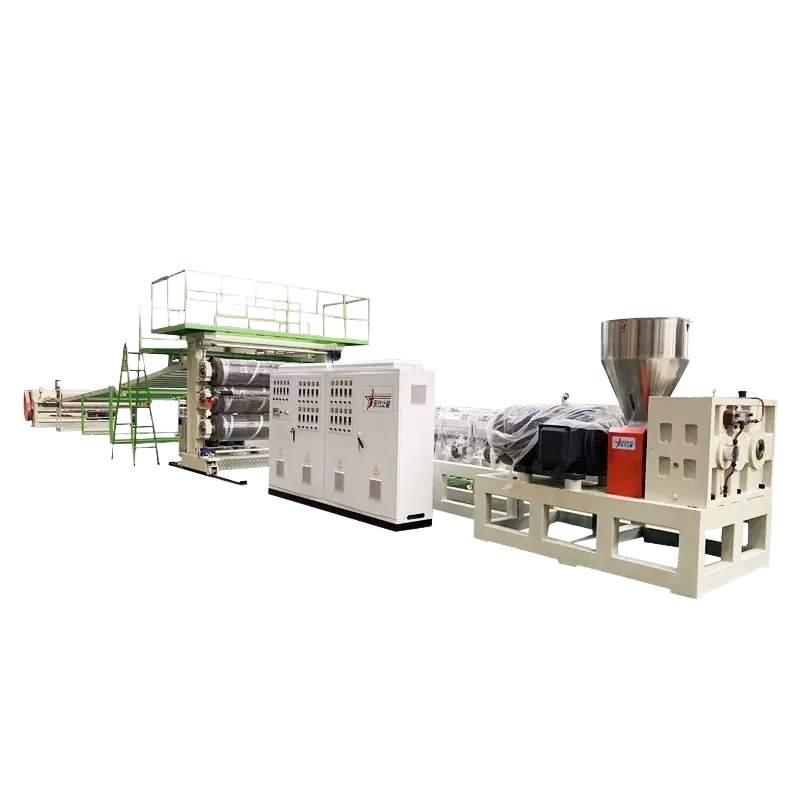
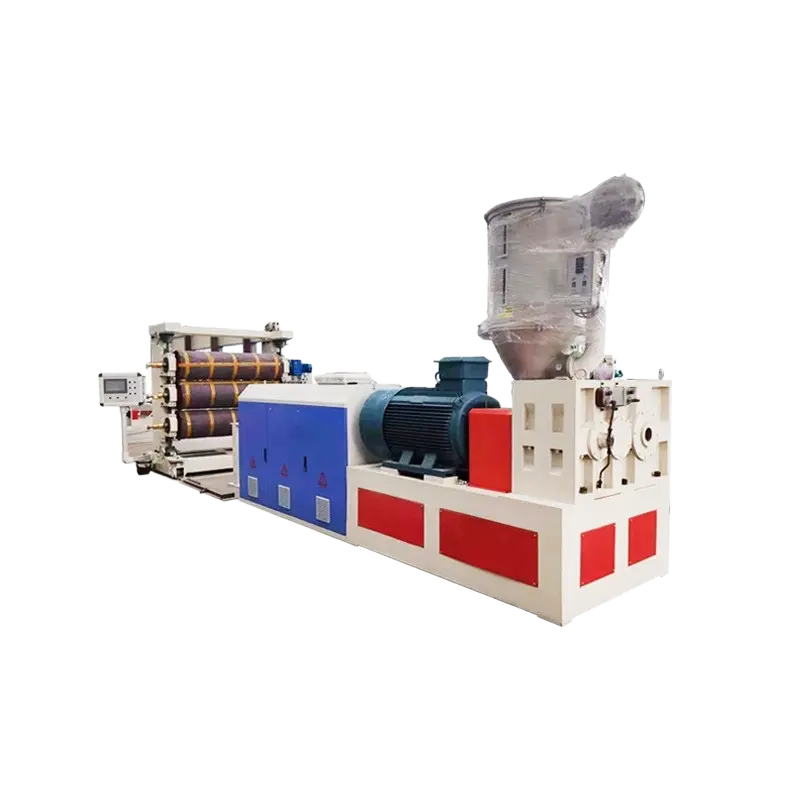
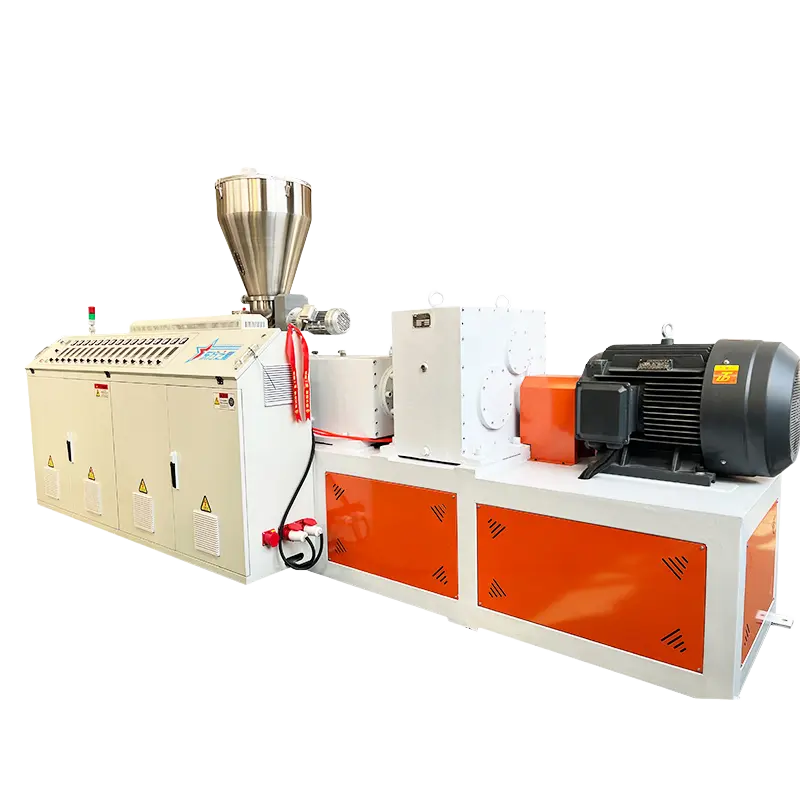
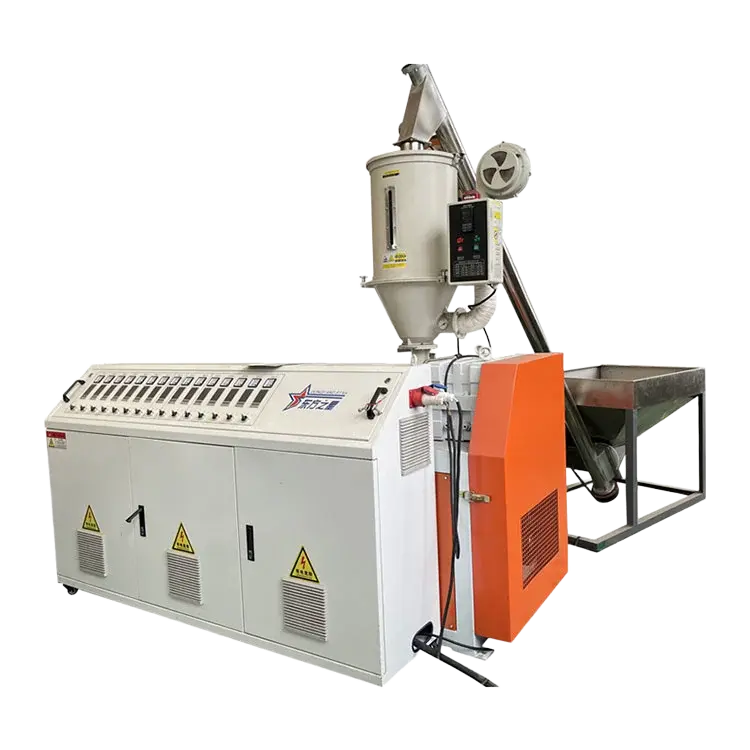
Polyamide (PA, nylon) and Polyoxymethylene (POM, acetal) are engineering thermoplastics that present unique challenges in sheet extrusion. Unlike commodity resins such as PS or PP, these materials require tighter process control, specialized screw designs, and careful post-extrusion treatment. This guide focuses on practical production considerations and provides reference parameters for stable, high-quality sheet output.
Material Properties: TPE materials possess excellent elasticity, abrasion resistance, cold resistance, and good biocompatibility. These properties allow TPE waterstops to maintain good performance in various environments.
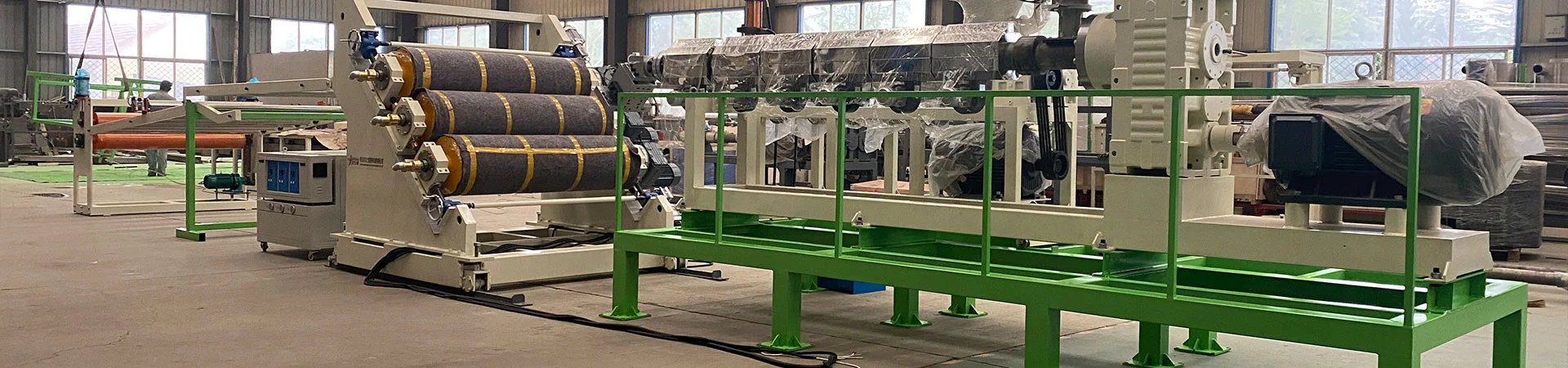
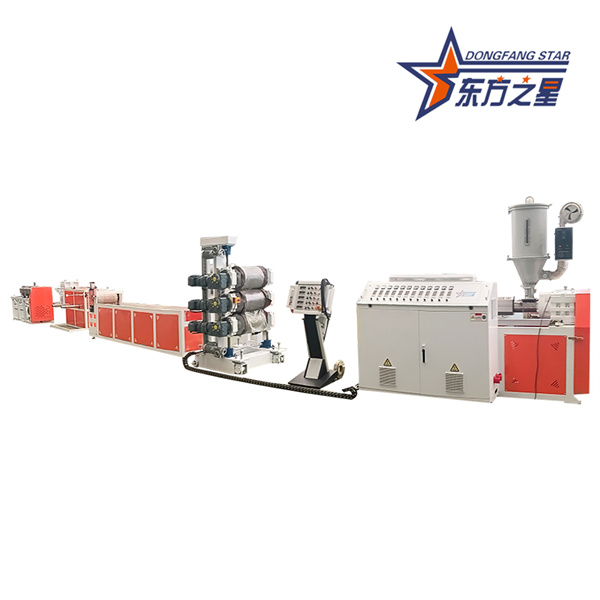
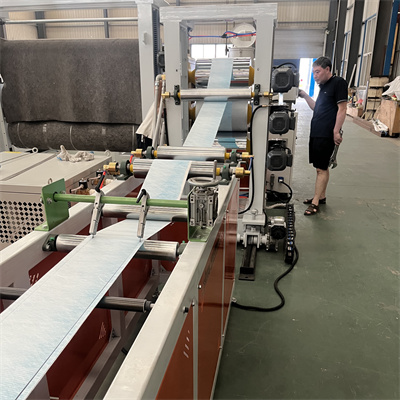
Recently, our company completed the installation of a complete set of TPE waterstop production equipment at our partner's factory. All operational indicators of the equipment met industry standards and the customer's production requirements. The equipment operates stably, produces uniform output, and forms neatly, marking the successful completion of the commissioning work and officially enabling the customer's factory to launch a new high-efficiency mass production mode.
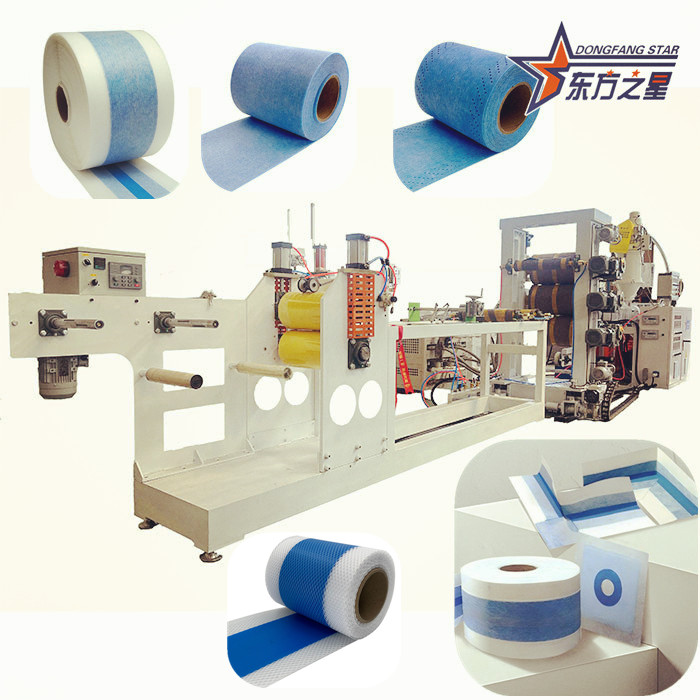
The TPE waterstop equipment delivered this time is a multi-functional integrated intelligent production equipment independently developed by our company. It boasts strong compatibility, wide adaptability, and multiple uses, completely solving the industry pain points of traditional equipment such as single function, limited product iteration, and high investment costs. The equipment is fully compatible with the large-scale production of the first, second, third, and fourth generation TPE waterstops.
— Multi-functional Machine Empowers Modernization of Middle Eastern Agriculture
A set of integrated seedling tray production equipment from Qingdao East Star Plastic Machinery Co., Ltd. has successfully completed factory testing and is being shipped to Yemen. This marks another significant milestone for East Star Machinery in the Middle Eastern market, signifying the continued deepening of the company's global layout for intelligent seedling equipment.
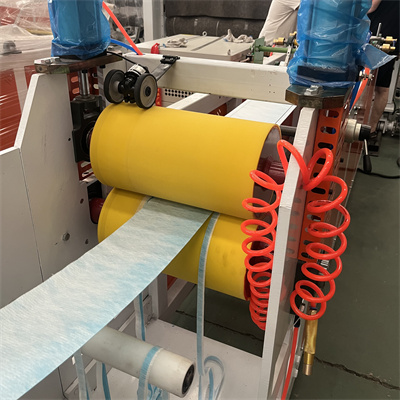
This TPE waterstop production equipment successfully completed its commissioning today. It can produce not only first-generation waterstops but is also compatible with second and third-generation models. The equipment features an online laminating device, eliminating the need for secondary lamination. It can also produce TPE sheets for pipe fittings.
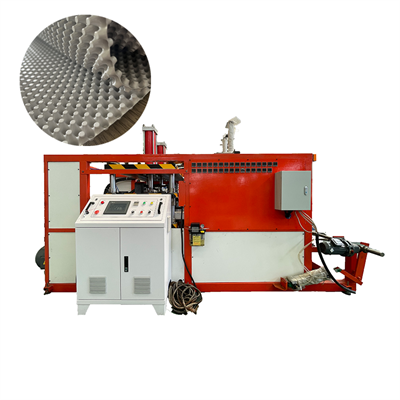
The PVC honeycomb liner panel equipment uses a compression molding process. The process flow includes: unwinding – feeding – heating – pressing – slitting, etc. All table processing is done using a machining center to ensure the accuracy of all hole dimensions. The columns are hard chrome plated and quenched to ensure smoothness and wear resistance. The machine operating system can be edited in both manual and automatic modes; in manual mode, all actions can be operated individually.
We use cookies to offer you a better browsing experience, analyze site traffic and personalize content. By using this site, you agree to our use of cookies.Privacy Policy
 24 2026-07
  19 2026-07
  14 2026-07
  02 2026-07
  25 2026-06