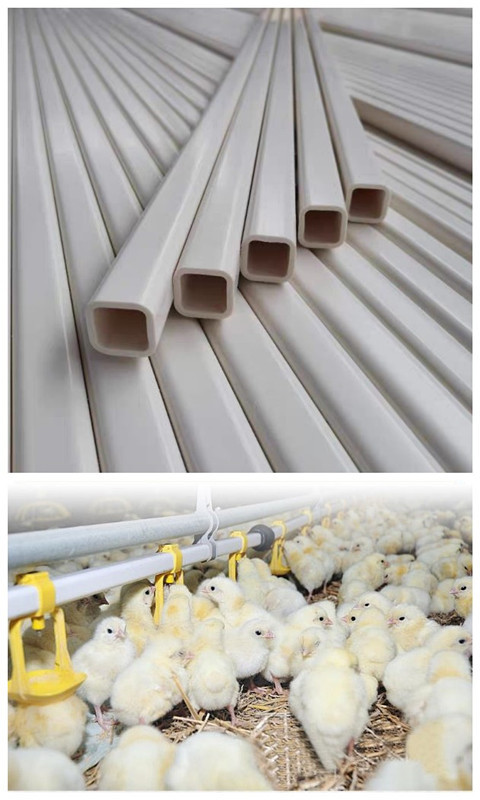
PVC square pipes for aquaculture water lines are widely used in large-scale aquaculture due to their corrosion resistance, lightweight and easy installation, low cost, low risk of water accumulation and pollution, and stable and easy-to-fix structure. Their square shape effectively saves space and prevents rolling. They are primarily used for precise water supply during the aquaculture process. Specific application areas can be categorized as follows:
1. PVC Square Pipes for Aquaculture Water Lines in Livestock and Poultry Farming (Core Application Scenario)
Livestock and poultry farming places high demands on the stability, hygiene, and ease of maintenance of drinking water systems. PVC square pipes for aquaculture water lines are the mainstream choice for intensive farms, primarily for automatic drinking water systems, covering the following specific applications:
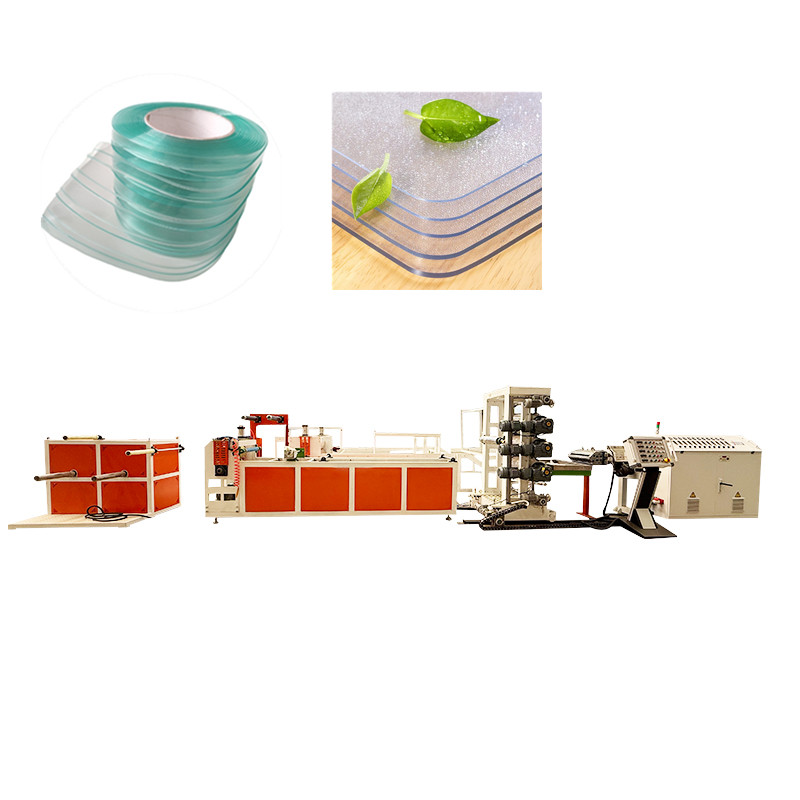
PVC soft door curtain equipment, the surface is not smooth, and has pitting/particles during production.
Symptoms: The curtain surface is rough, with small bumps or white particles distributed throughout. In severe cases, it feels rough.
Core causes:
Raw material problems: PVC resin powder agglomerates due to moisture (moisture content > 0.3%), uneven dispersion of additives such as plasticizers and stabilizers, or impurities (such as dust or plastic debris) mixed into the raw materials.
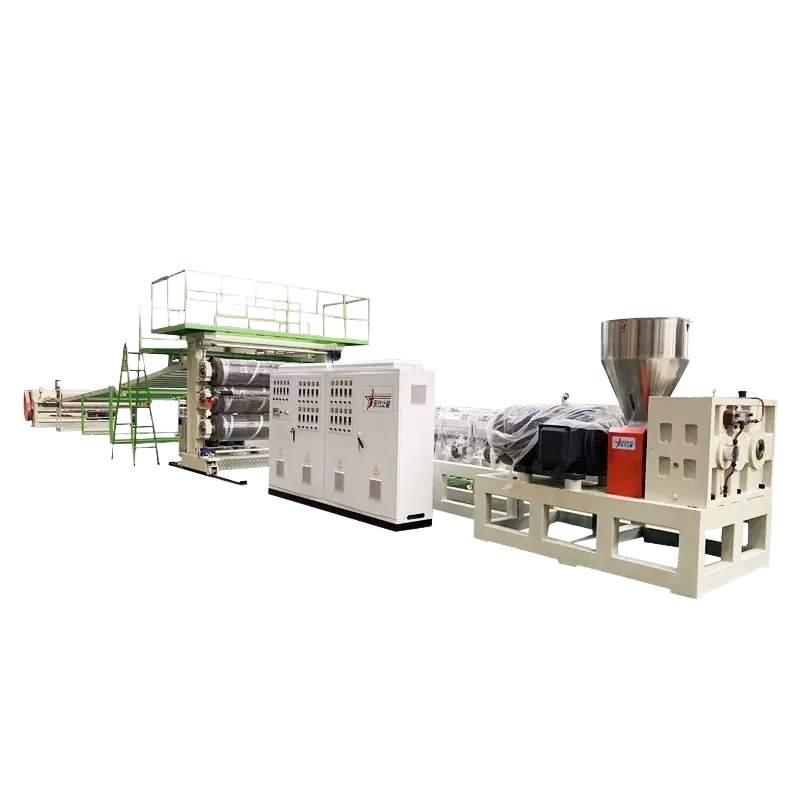
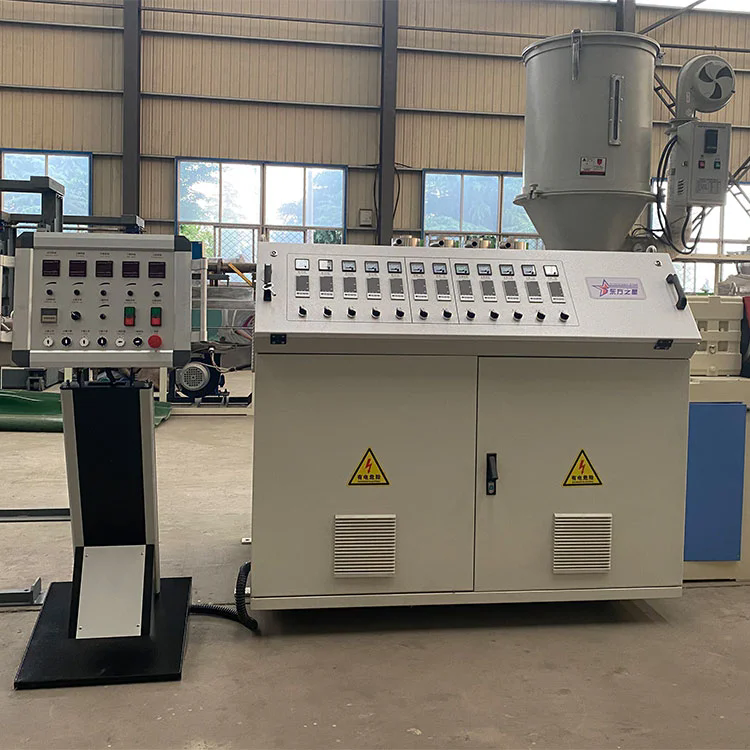
In today’s highly competitive manufacturing industry, efficiency, precision, and product consistency are the keys to success. Among various plastic sheet production technologies, the PS Sheet Extruder Machine stands out for its ability to produce high-quality polystyrene sheets used across packaging, printing, and thermoforming applications. Whether you are a packaging manufacturer, a food container producer, or an industrial supplier, understanding how a PS sheet extrusion line works and what specifications to look for can significantly impact production output and profitability.
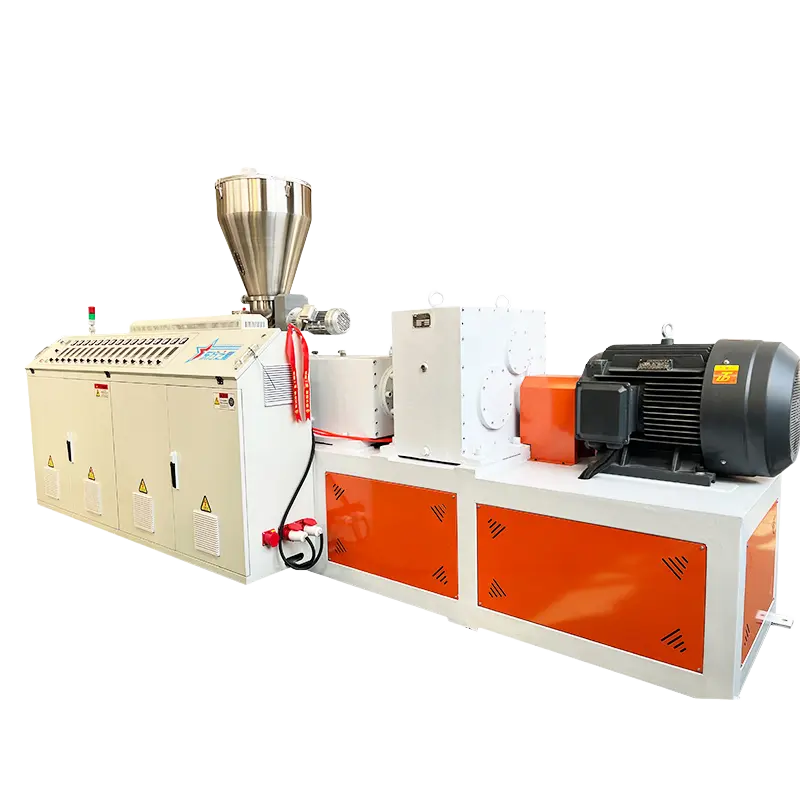
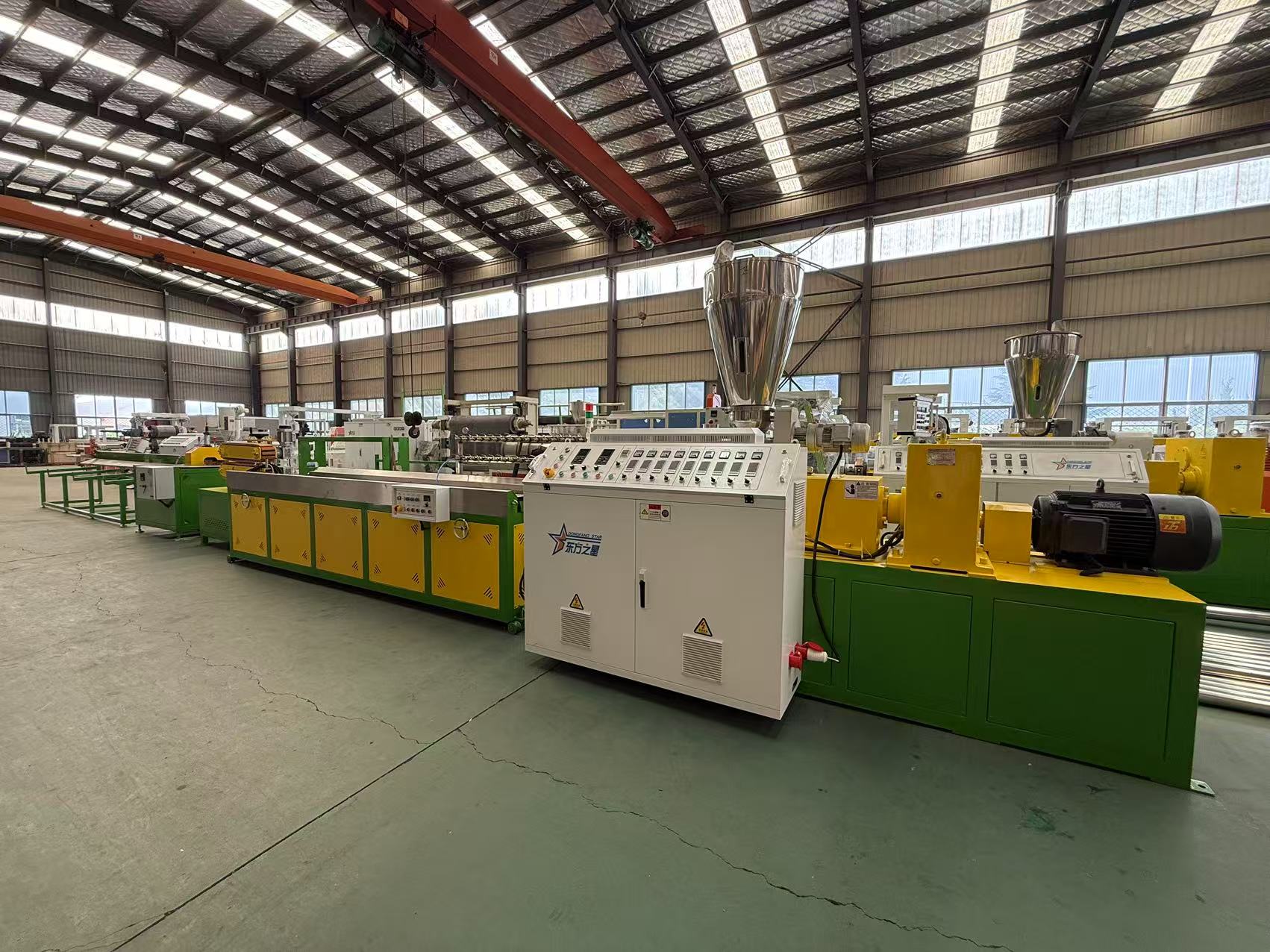
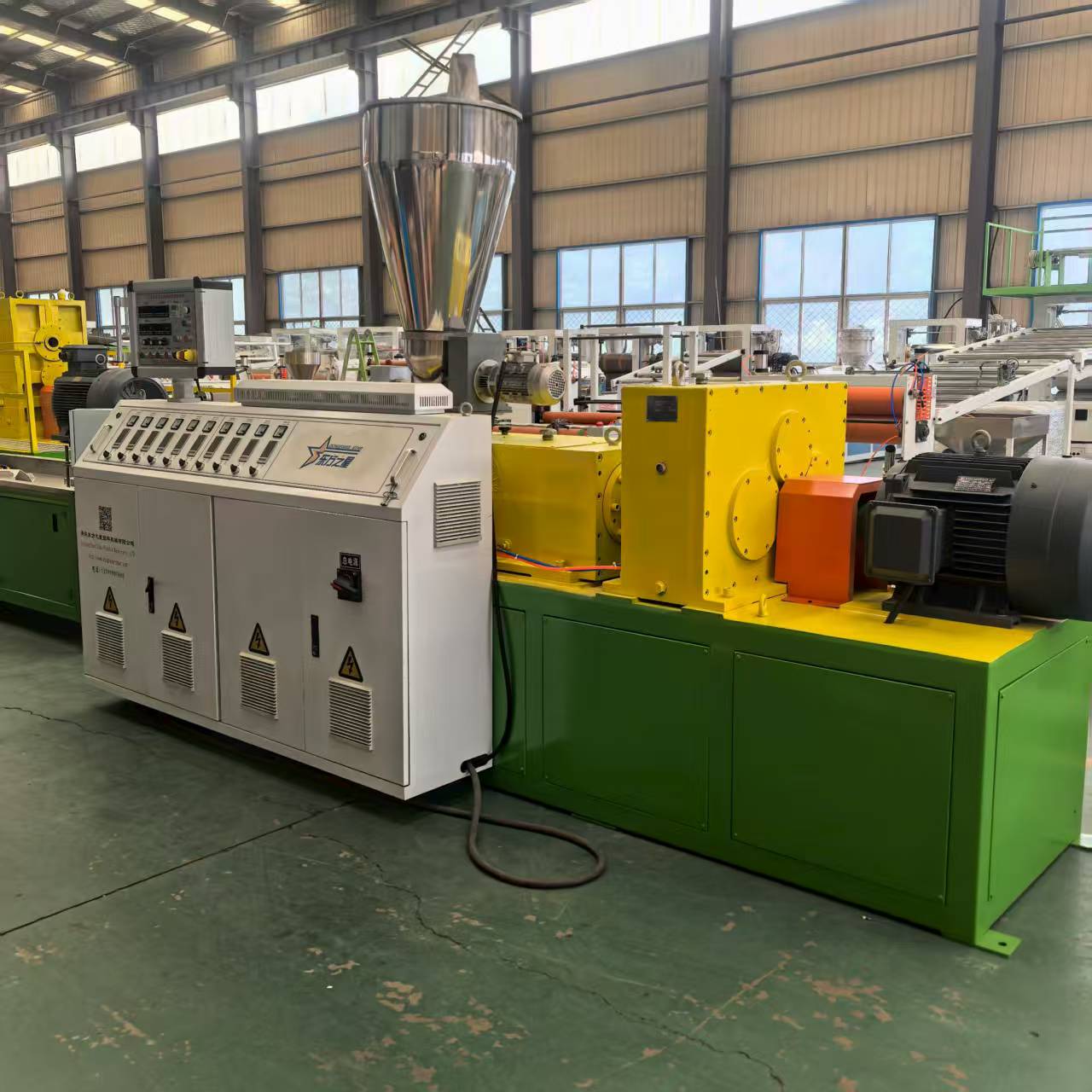
The PVC chicken feed trough extrusion line is made of PVC and includes a 65 twin-screw extruder, which features low energy consumption and high mixing and plasticizing efficiency. A cooling and shaping platform transforms the PVC chicken feeders from their soft, high-temperature state into a solid, dimensionally stable finished product.
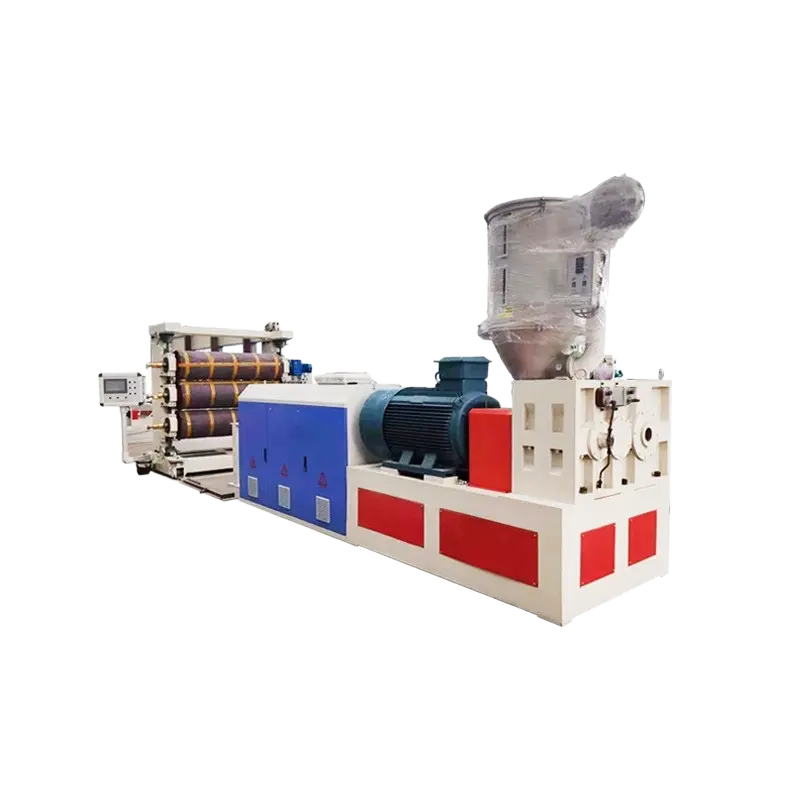
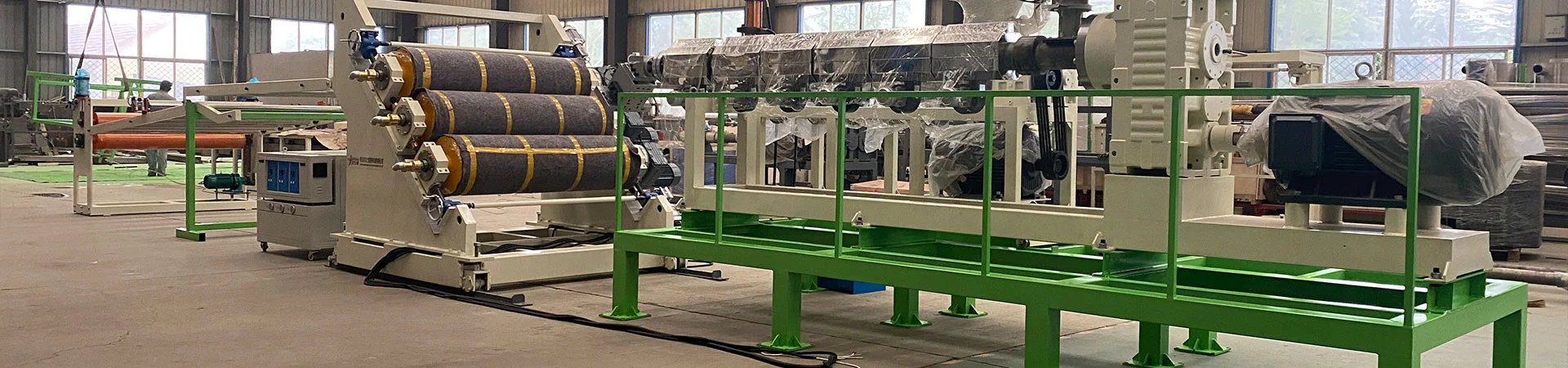
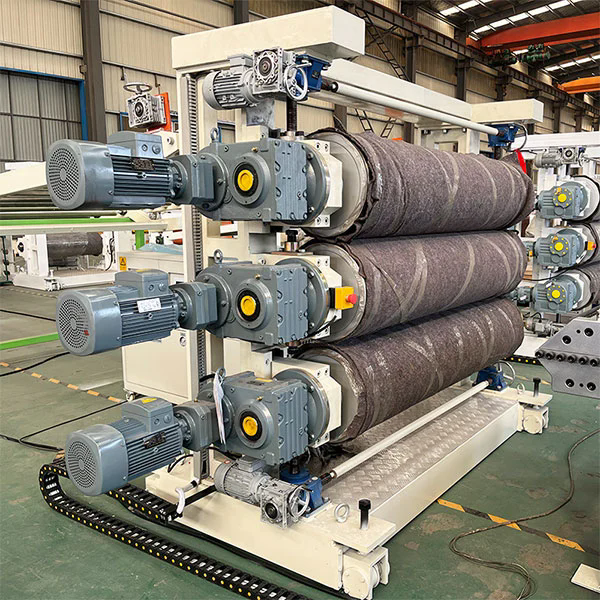
In the vast landscape of plastic manufacturing, where efficiency, versatility, and quality are paramount, the equipment used can make or break a production line. Plastic boards, with their wide range of applications from construction cladding to packaging materials, have become a staple in countless industries. Yet, the process of producing these boards has historically faced challenges—from inconsistent thickness to high material waste and slow production speeds. This is where plastic board extruder machines step in, revolutionizing how plastic boards are made. These specialized machines have redefined the standards of plastic board production, offering manufacturers a level of control, efficiency, and adaptability that was once unimaginable. But what exactly makes them such a pivotal force in the industry? This comprehensive guide delves into their impact, functionality, benefits, and why they’ve become an indispensable asset for modern plastic manufacturers.
We use cookies to offer you a better browsing experience, analyze site traffic and personalize content. By using this site, you agree to our use of cookies.Privacy Policy
 03 2025-09
  27 2025-08
  25 2025-08
  21 2025-08
  05 2025-08