Get the material or the cooling window wrong and the result is not a ruined batch that can simply be scrapped. It is a tolerance that drifts, a panel that warps after forming, or a finish that does not match the sample.
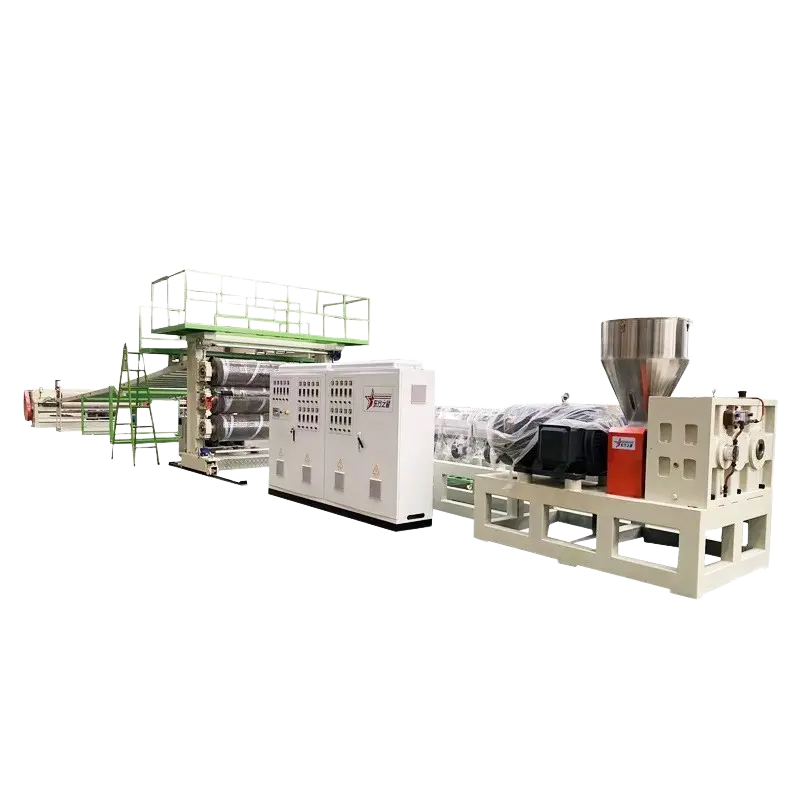
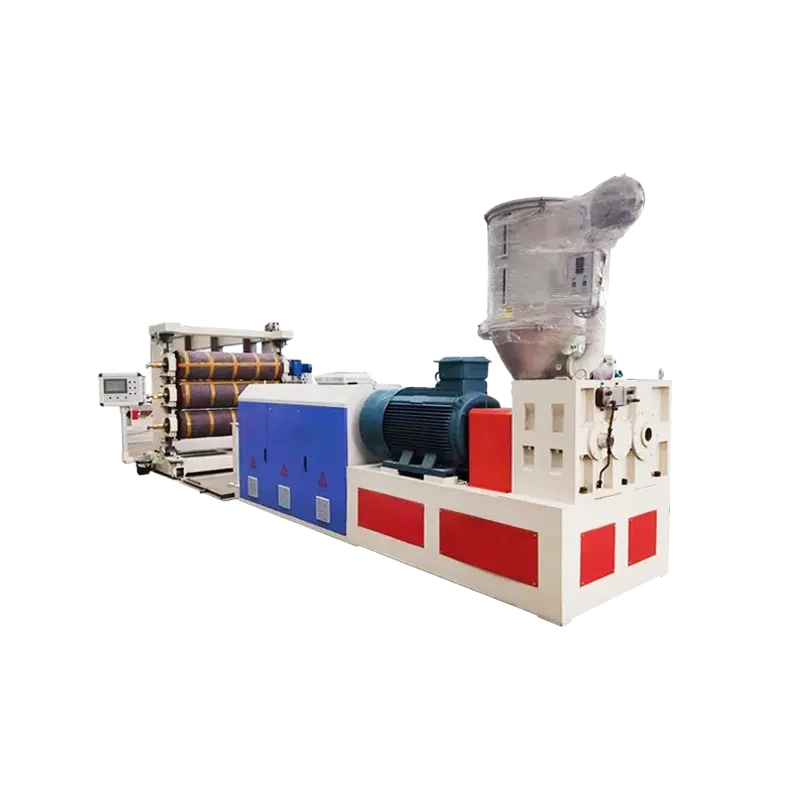
This article covers where the sheet is used, how the process sets its dimensions, what the published line configurations look like, and where the trade-offs actually surface.
Where Does This Sheet Actually End Up?The application list is longer than most buyers expect, and it explains why one grade never covers everything:
Refrigeration
● — freezer doors, inner tanks, drawers, water trays and water dispensers.
Sanitary ware
● — bathtubs, shower rooms, steam rooms and washbasins.
Signage and display
● — guide signs, chest signs, mechanical signs and interior decoration.
Luggage
● — trolley cases, suitcases, leisure bags and travel goods.
Automotive
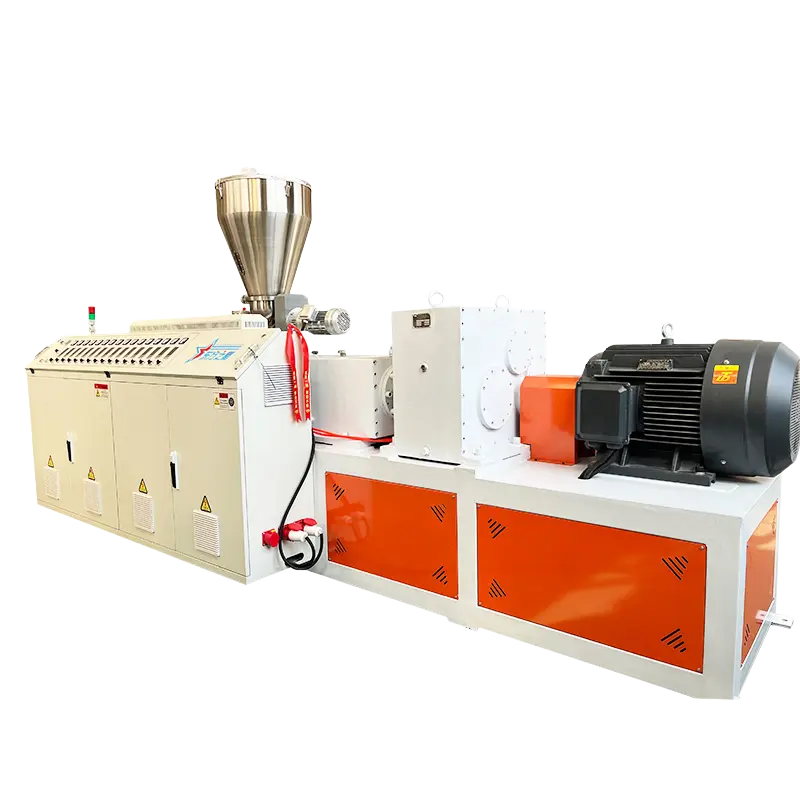
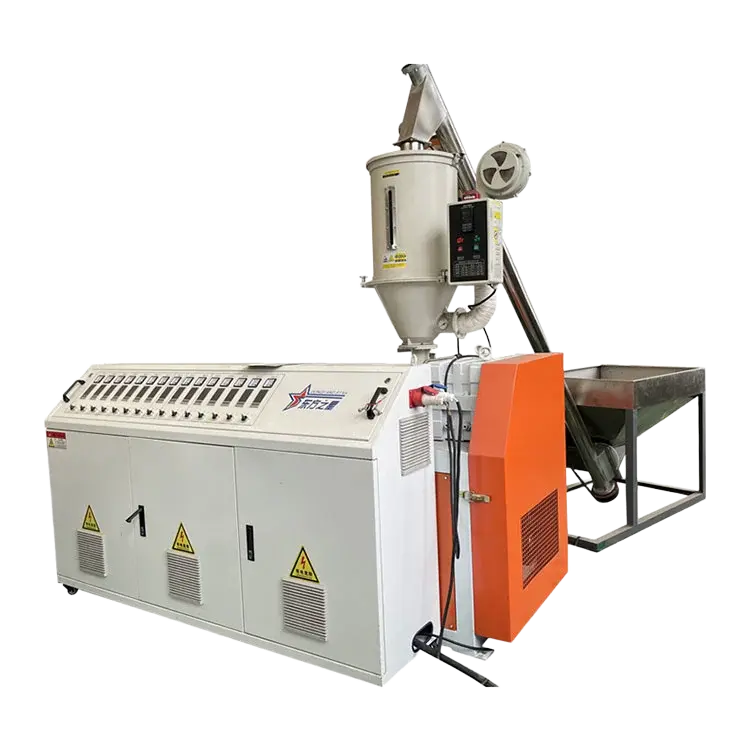
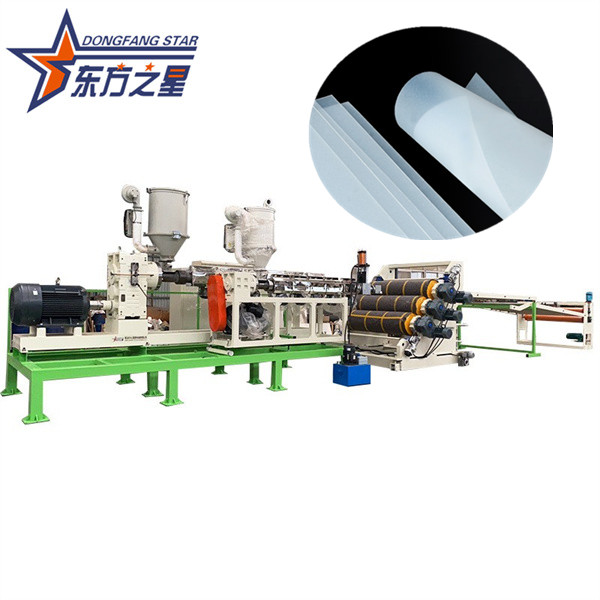
● — car roofs, dashboards, seat back panels, door panels and window frames, plus shells for motorcycles, ATVs, scooters and golf carts.How Is the Sheet Made?Sheet extrusion is continuous, and the sequence is broadly the same whether the line runs one layer or several.1. Melting and meteringResin is dried where the grade requires it, then melted and metered in the extruder. The line family is built for single- or multi-layer PP, PE, PS and ABS, so the extruder configuration follows the layer structure rather than the material alone.2. Forming the flat profileThe melt leaves a flat die and is taken through a roll stack that sets thickness and surface in the same pass. Gauge is decided here, and no downstream station can recover a thickness profile that was already wrong at this point.3. Cooling and setting the dimensionsCooling is the stage that actually fixes the dimensions. Because PP is semi-crystalline, its shrinkage of 1.8–2.5% happens as the sheet cools, and how evenly that cooling is applied decides whether the sheet stays flat or curls.4. Trimming, cutting and stackingEdge trim, cross-cutting and stacking complete the run. The sheet leaves the line at 0.8–6 mm thickness and at widths of 1500, 1900 or 2000 mm.
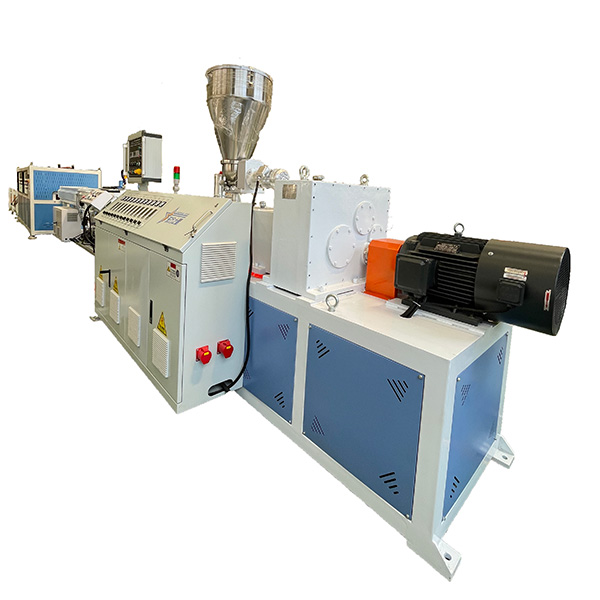
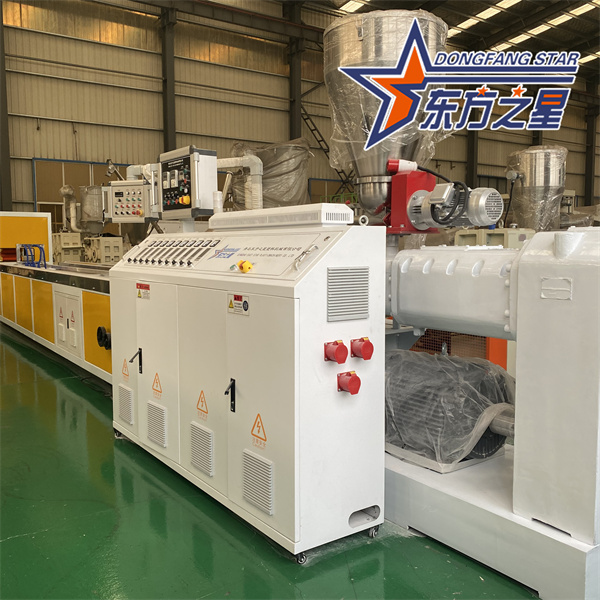
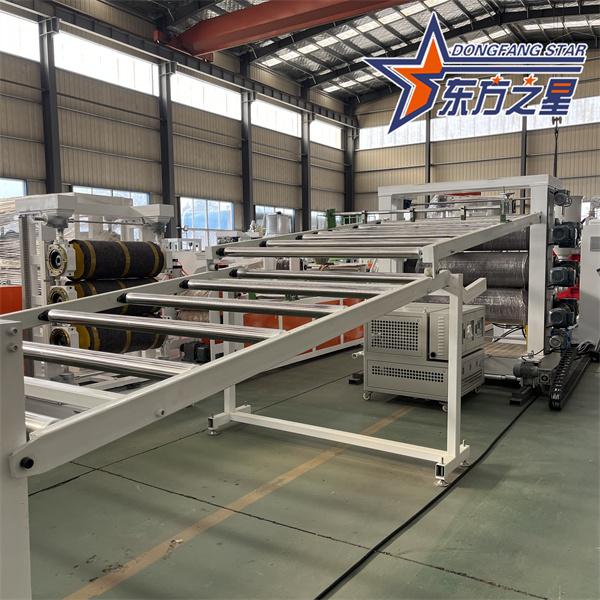
What Configurations Are Available?The published configuration range for this sheet extrusion family, across single- and multi-layer builds:Sheet widthThickness Extruder (screw dia. / L-D)Main motorCapacity1500 mm0.8–6 mm120/38220 kW650 kg/h1900 mm0.8–6 mm130/38250 kW1000 kg/h2000 mm0.8–6 mm150/38280 kW1300 kg/hWidth, thickness and throughput are chosen together rather than one at a time: a wider sheet needs the thicker screw and the larger motor to hold both the gauge and the output.What Really Decides Sheet Quality?PE and PP sheet is judged on six things, and most of them are decided on the line rather than at the material supplier:
Thickness consistency across the full width.
1. A good centre reading means nothing if the edges run thin.
Flatness after forming.
2. Directly tied to how evenly the sheet is cooled.
The match between grade and duty.
3. PE's near-zero water absorption and cold impact strength suit different jobs from PP's hardness, stiffness and better shrinkage uniformity.
Surface expectation.
4. PP is inherently low-gloss and low-transparency, so clarity should never be promised on a PP panel.
Layer structure.
5. Single or multi-layer, chosen with the application rather than with the quotation.
Throughput against width.
6. 650 to 1300 kg/h across 1500 to 2000 mm describes a family, not a single specification.
Which Material Fits Which Job?PP sheet
● High hardness and a high melting point, but a low thermal distortion temperature around 100 °C.
● Naturally low transparency, low gloss and low rigidity — appearance is not what it is bought for.
● High impact strength, with surface stiffness and scratch resistance that respond well to glass-fibre and metal-additive modification.
● Melt flow rate between 1 and 40; the lower end buys impact resistance at the cost of ductile strength.
● Shrinkage of 1.8–2.5%, but with noticeably better directional uniformity than HDPE.
● Excellent resistance to moisture uptake, acids, alkalis and solvents, and normally no environmental stress cracking.
PE sheet
● Wear resistance that improves with molecular weight, plus high impact strength even at −70 °C.
● Self-lubricating and smooth, which is why it lines bunkers, chutes, granaries and silos.
● Water absorption close to zero, so humidity does not change its physical or mechanical properties.
● Chemically stable against acids, alkalis, salts and organic solvents within a given temperature and concentration.
● Odourless, non-toxic and non-corroding, with a specific gravity around 1.0 g/cm³.
● Strong toughness — it bends under overload rather than breaking — and anti-ageing behaviour that holds up at very low temperature.Where Do the Trade-offs Show Up?PE and PP sheet both look like a commodity and both punish assumptions, but they punish different ones.Warping after forming A PP panel that curls is usually a cooling story rather than a material fault. At 1.8–2.5% shrinkage, a semi-crystalline material needs even cooling if it is going to stay flat.Heat exposurePP's low thermal distortion temperature around 100 °C sets a firm ceiling. Applications that run hot need the duty checked before the grade is chosen.Appearance expectationsPromising clarity or high gloss on PP is a specification error rather than a production problem — the material is low-transparency and low-gloss by nature.Cold serviceThis is where PE separates itself. Impact strength is retained even at −70 °C, and high-molecular-weight grades keep usable strength at far lower temperatures.
Frequently Asked QuestionsWhat thickness and width can the line cover?
0.8–6 mm in thickness, across sheet widths of 1500, 1900 and 2000 mm.
What output should be expected?
Capacity runs from 650 kg/h at 1500 mm to 1300 kg/h at 2000 mm, with main motor power from 220 kW to 280 kW.
Single layer or multi-layer?
The same line family is built for single- or multi-layer PP, PE, PS and ABS, so the layer structure is a configuration choice.
Where is this sheet typically used?
Refrigerator doors, inner tanks, drawers and water trays; bathtubs, shower rooms and washbasins; guide signs and advertising panels; trolley cases and luggage; and car roofs, dashboards, seat back panels, door panels and window frames.The Takeaway PE and PP sheet rewards planning more than it rewards force. The thickness profile is set at the roll stack, flatness is decided at the cooling stage, and the choice between the two families comes down to shrinkage, heat ceiling, moisture, cold impact and appearance — in that order, for most applications.
Work back from the duty first, then from the grade to the width and throughput you actually need.