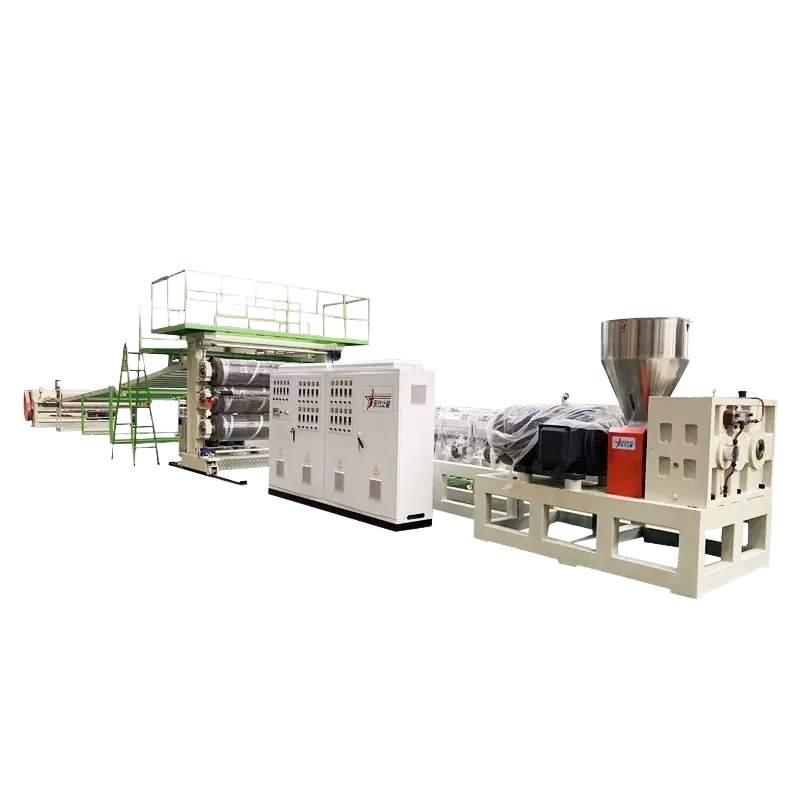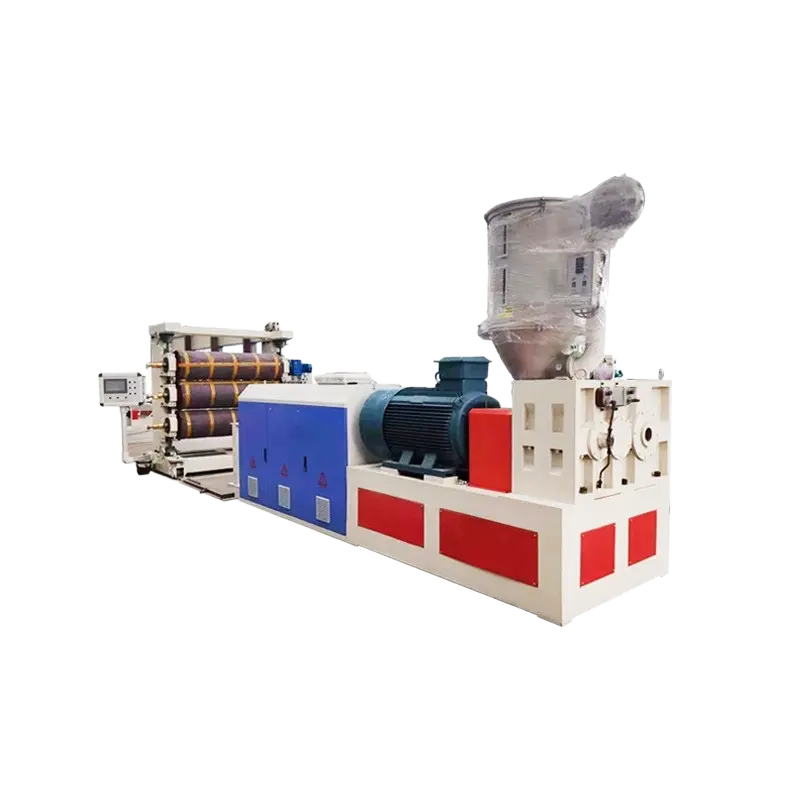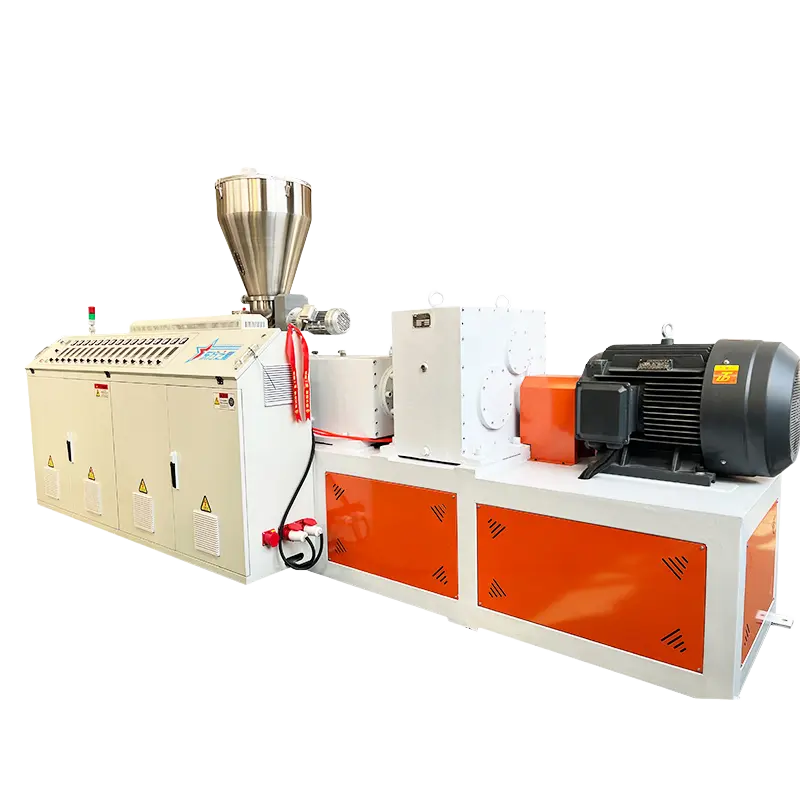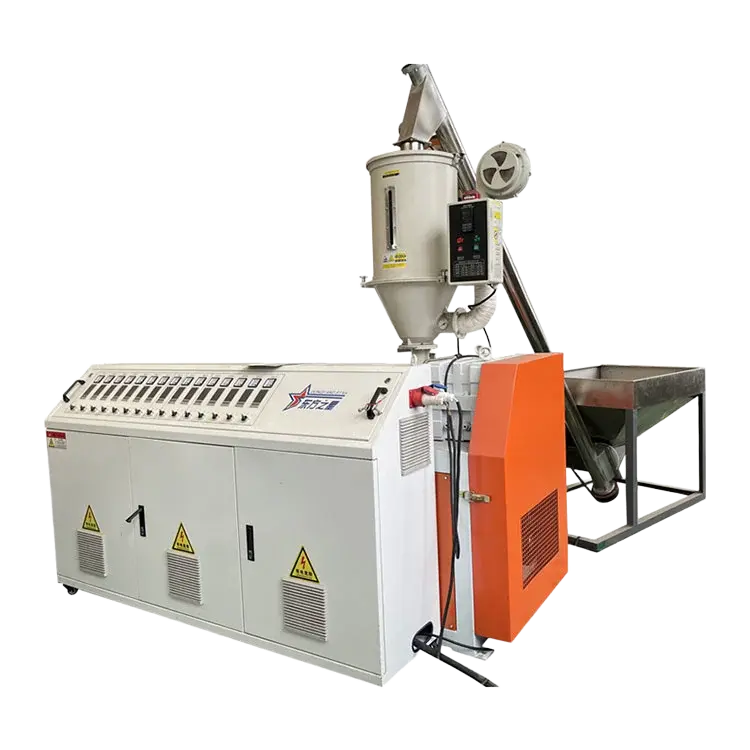
Common Problems Encountered in EVA Sheet Production/eva-transparent-sheet-extrusion-line.html
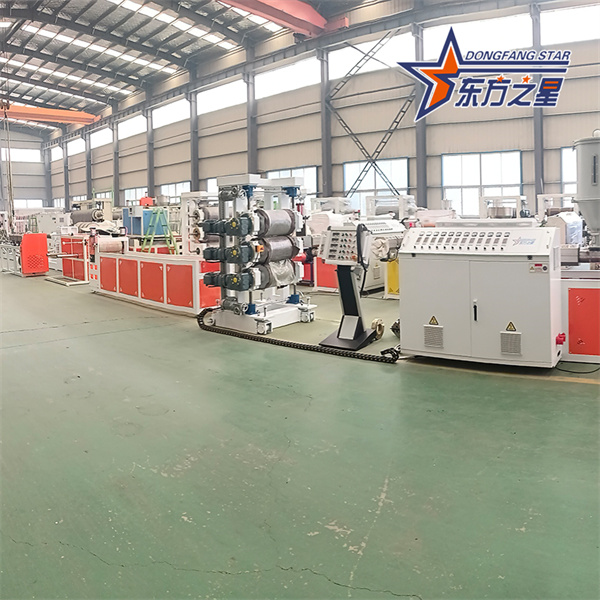
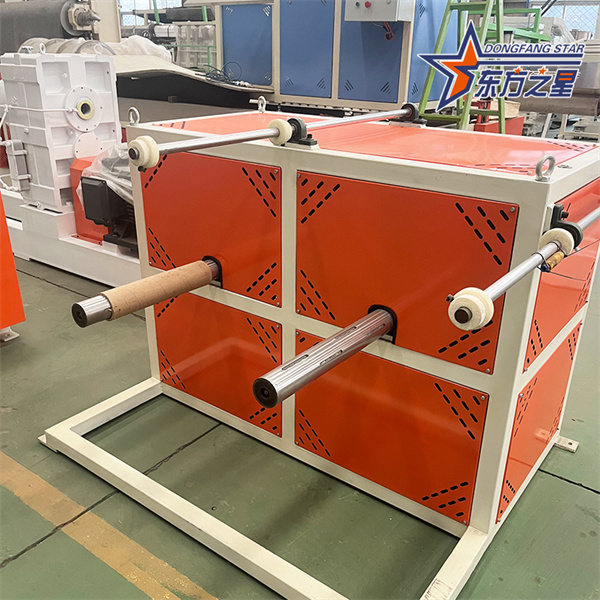
Poor Transparency and High Haze in EVA Sheets Produced by EVA Sheet Production Equipment
1. Causes
1. High Impurity Content in Raw Materials: Dust, discolored particles, or excessively high proportion of low-purity recycled material mixed in with the EVA particles.
2. Inappropriate Processing Temperature: Too low a temperature results in insufficient EVA melting; too high a temperature causes slight degradation of the material, producing small-molecule volatiles or yellowing.
3. Unclean Die/Roller Surfaces: Accumulated material, oil, or scratches on the die runner and calender roll surfaces affect the surface smoothness of the sheet.
4. Slow Cooling Rate: Excessive molecular crystallinity during sheet cooling and shaping damages transparency.
2. Solutions in EVA Sheet Production
1. Raw Material Pretreatment: Use high-purity EVA particles, control the recycled material ratio to within 10%, sieve to remove impurities before feeding, and dry the raw materials (temperature 60–80℃, time 2–3h). 2. Optimize temperature parameters: Control the temperature gradient of each zone of the extruder within 140–170℃ (with the die head temperature slightly higher by 10–15℃) to avoid localized overheating.
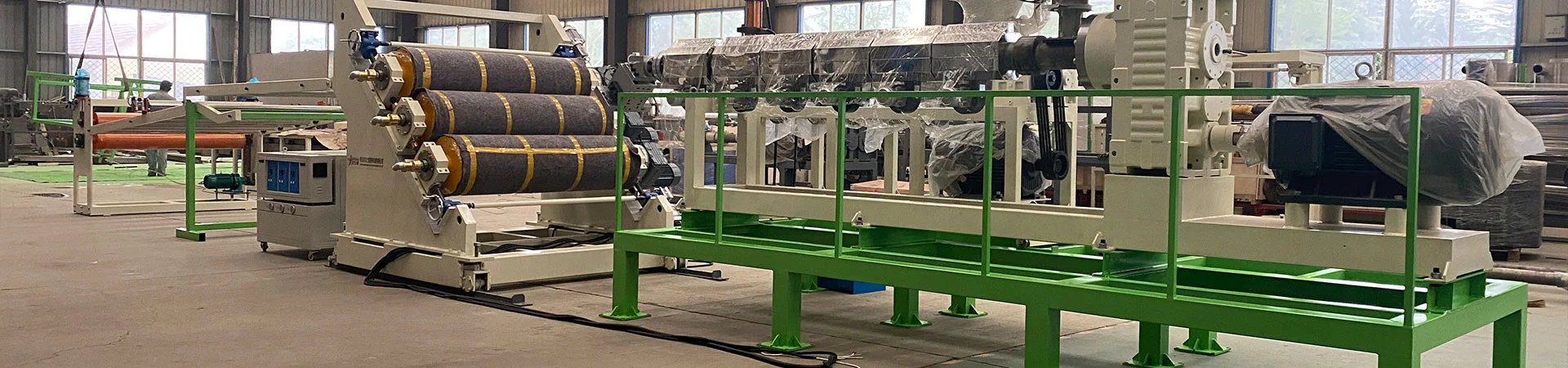
3. Clean equipment: Regularly clean the die runners and calender rolls to maintain a smooth surface; use mirror-finish rolls with a surface roughness Ra≤0.2μm.
4. Accelerate cooling: Increase the cooling roll speed to reduce the cooling roll temperature (controlled at 20–30℃), and add an air-cooling device to assist in shaping.