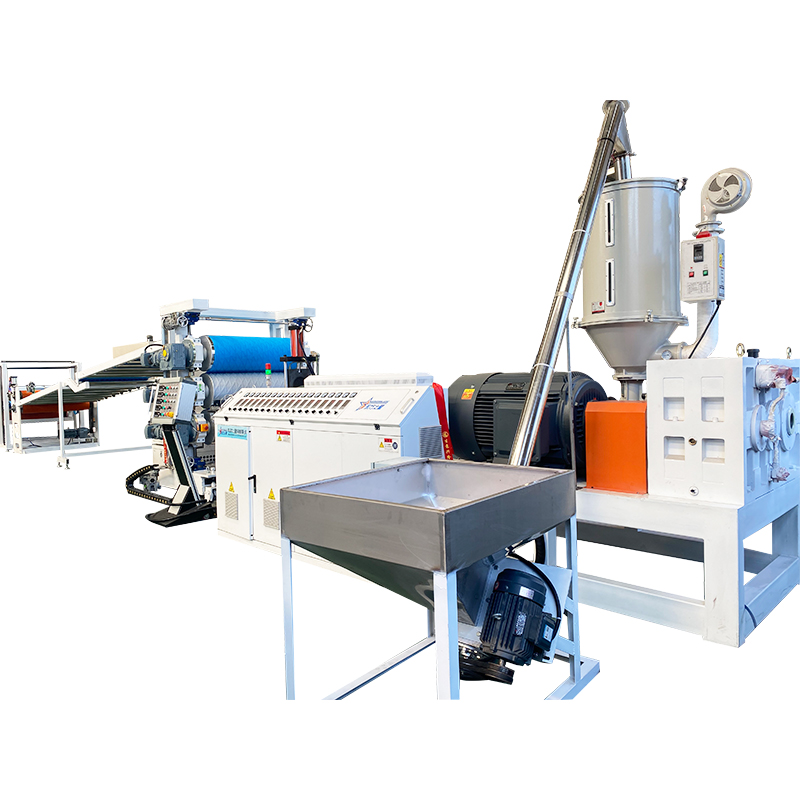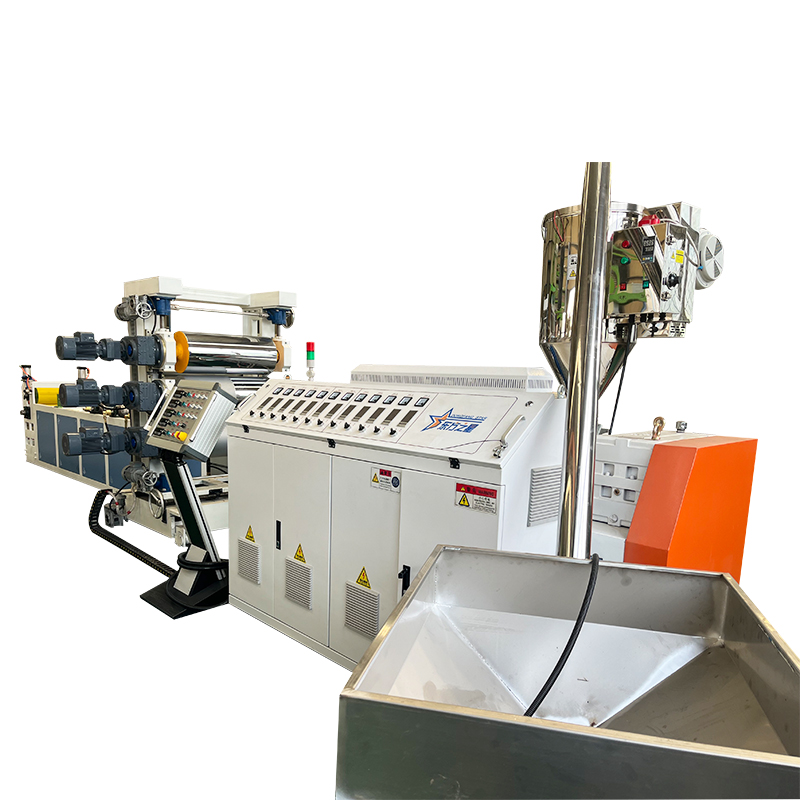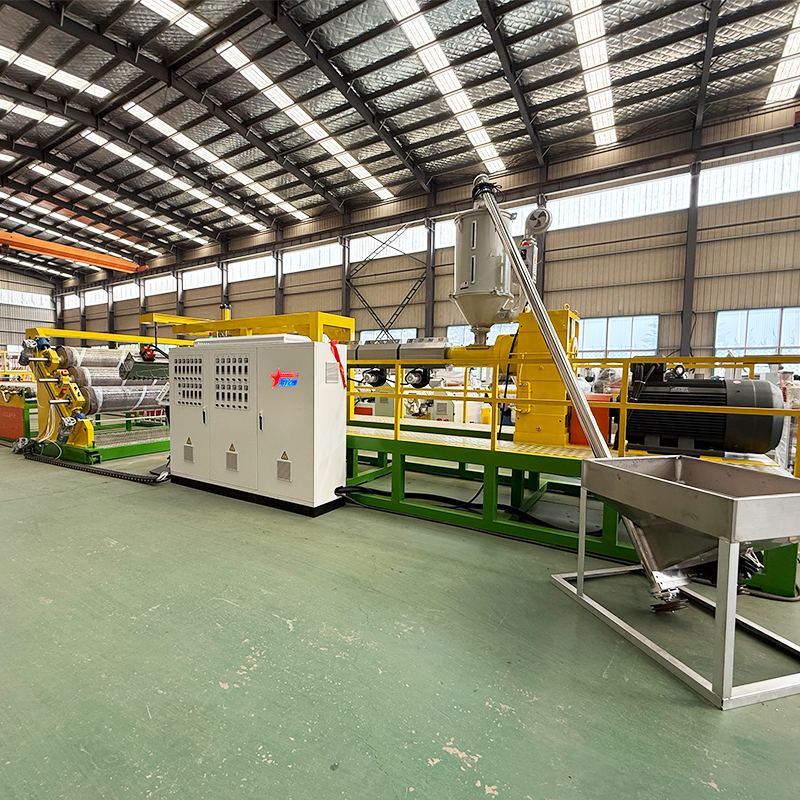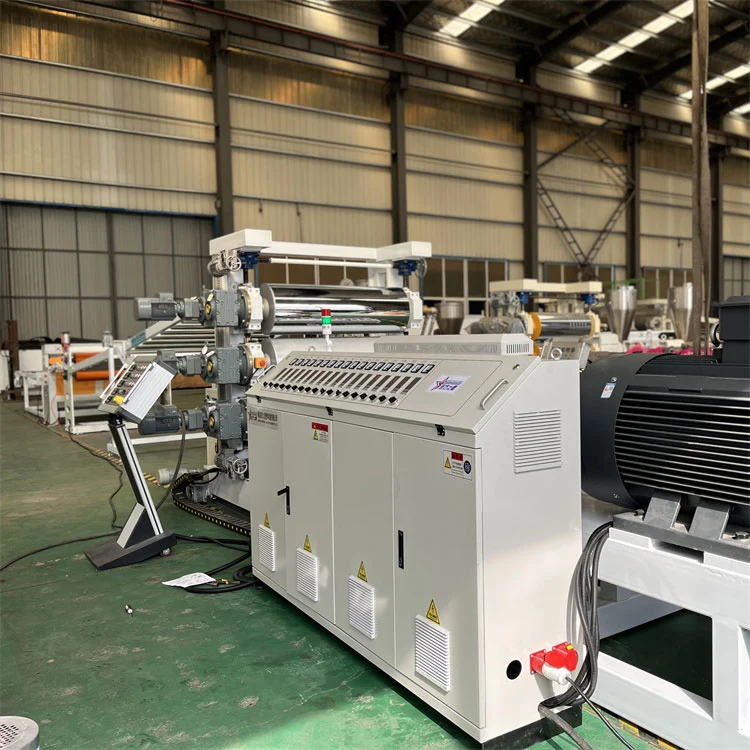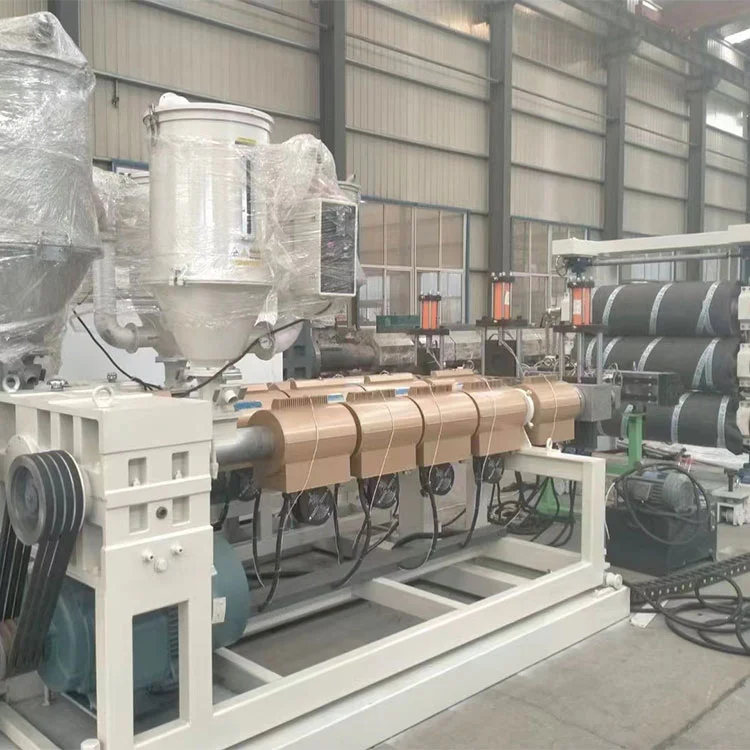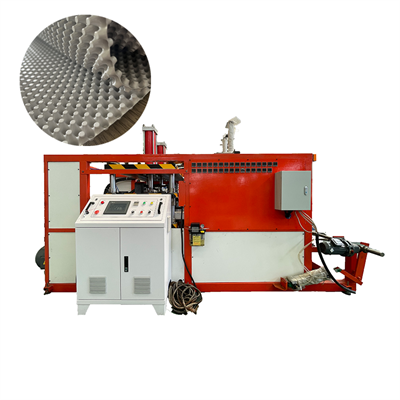
PVC foam board—also known as Celuka board, Forex board, or expanded PVC—is everywhere. Advertising, furniture, interior decoration, packaging. It is a material that has found its way into nearly every industry. But whether the machine you buy can actually produce stable, high-quality board consistently is never about what the equipment is called. It is about whether you understand how to select it, tune it, and maintain it.
The extruder takes in powder and outputs sheet. At any point in this process, if something is off, the product will show it—loud and clear.
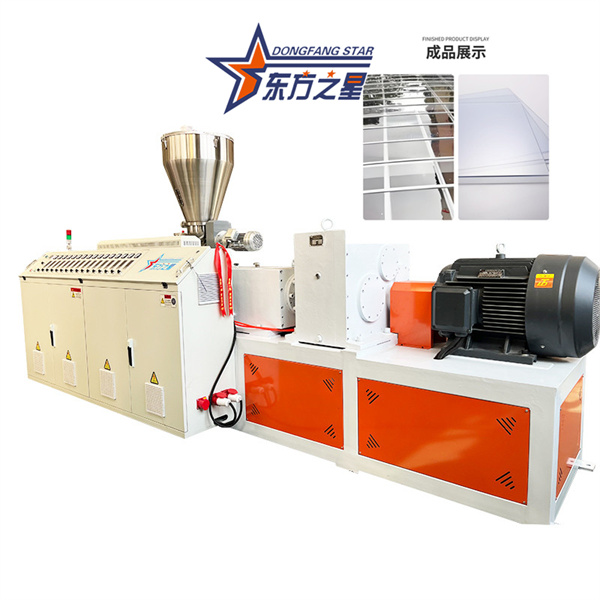
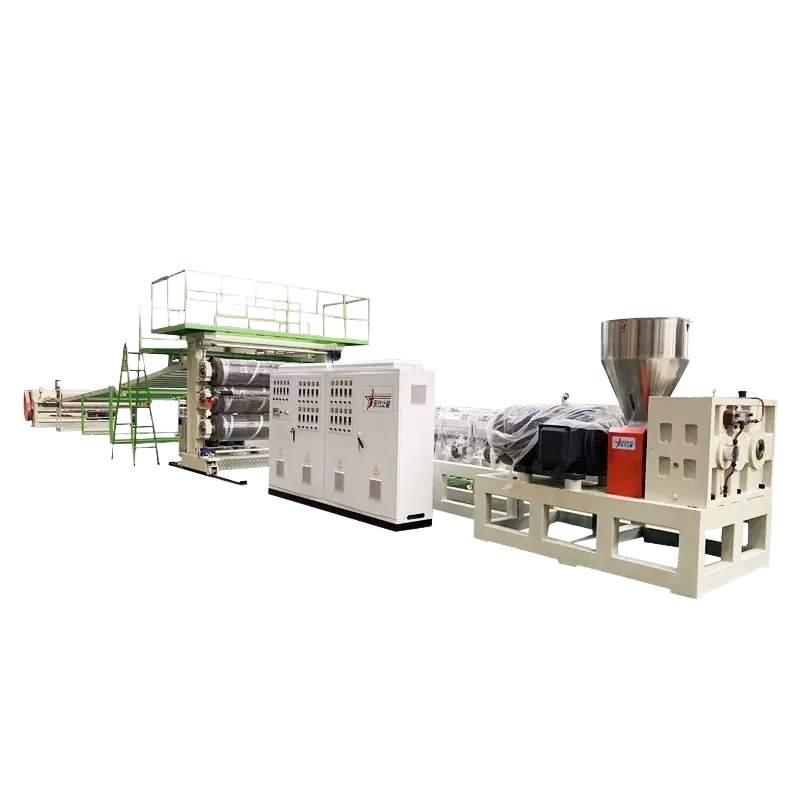
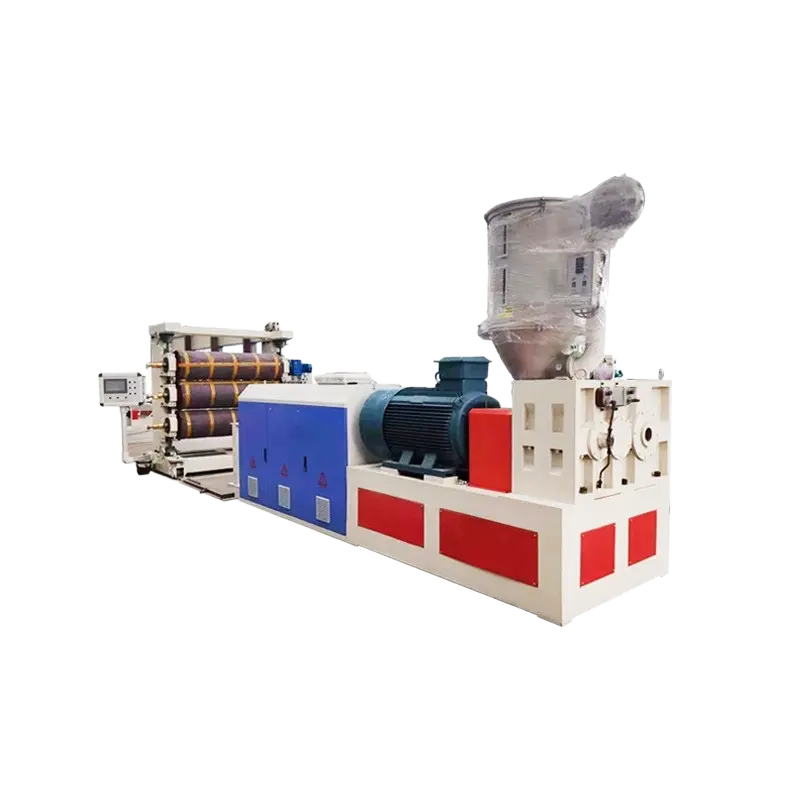
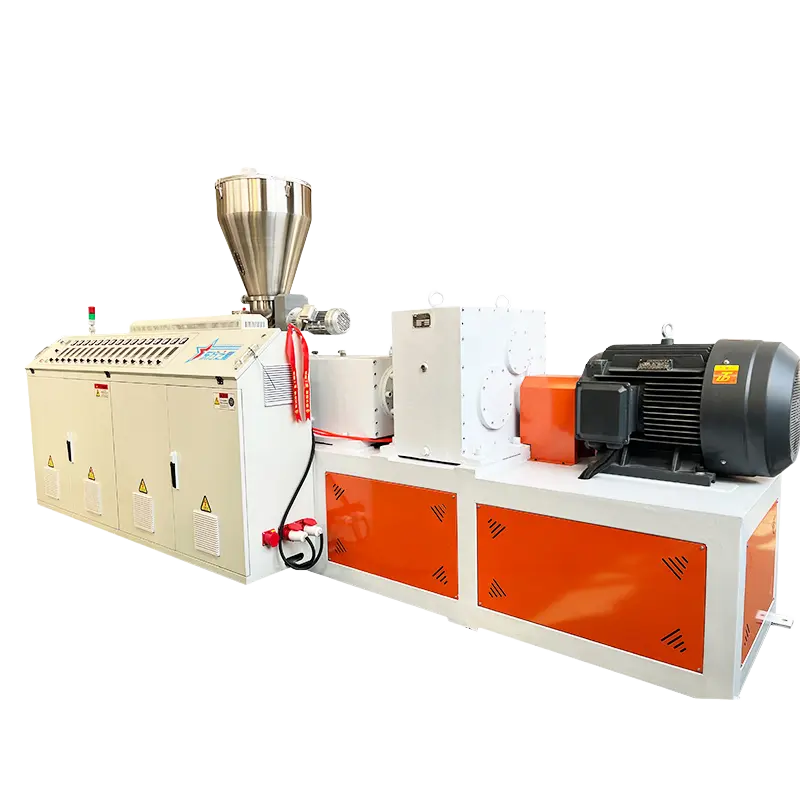
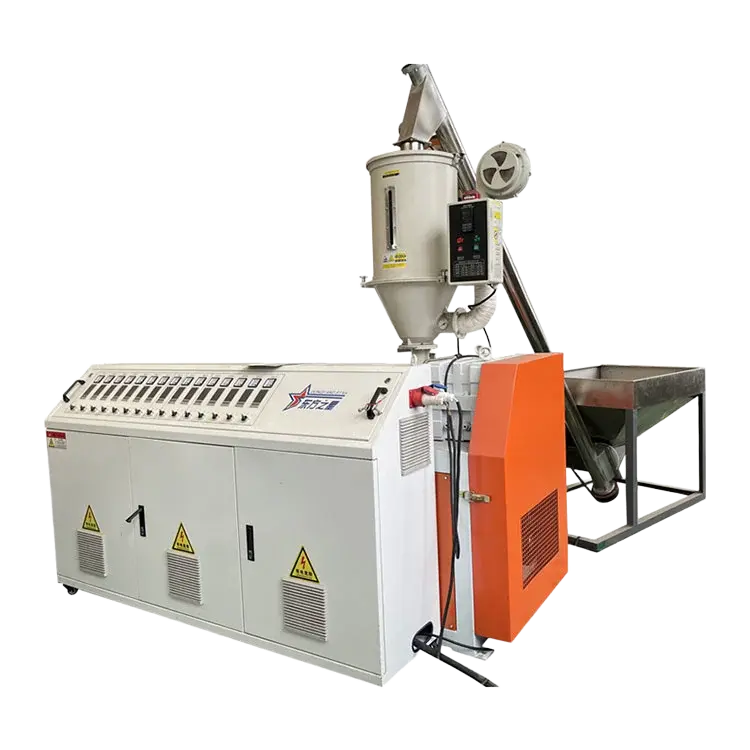
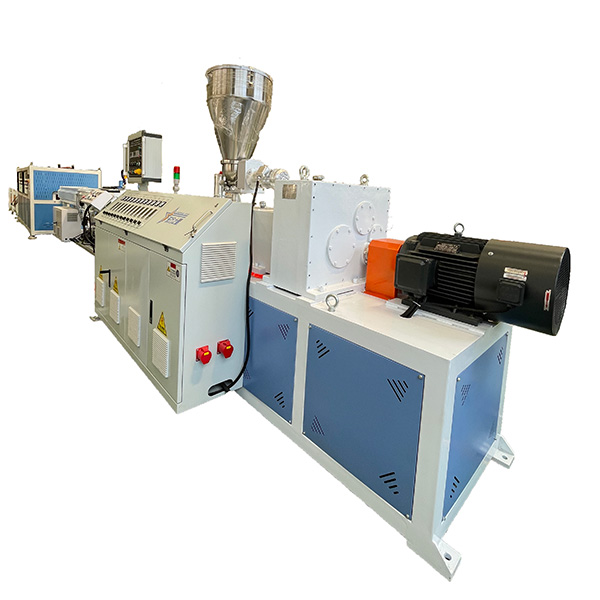
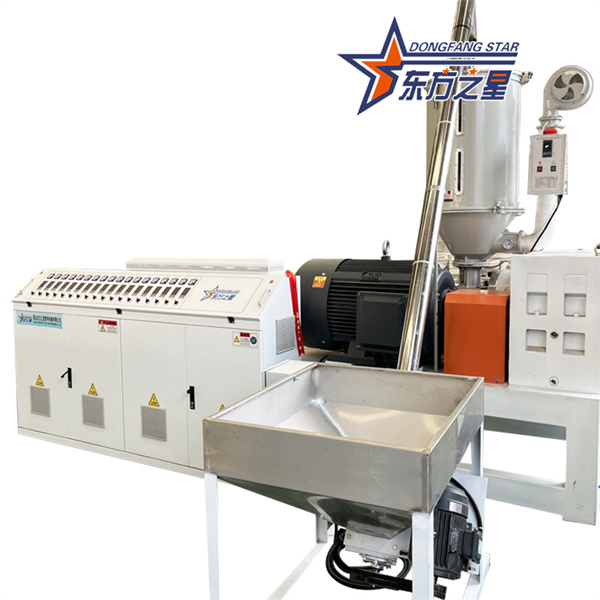
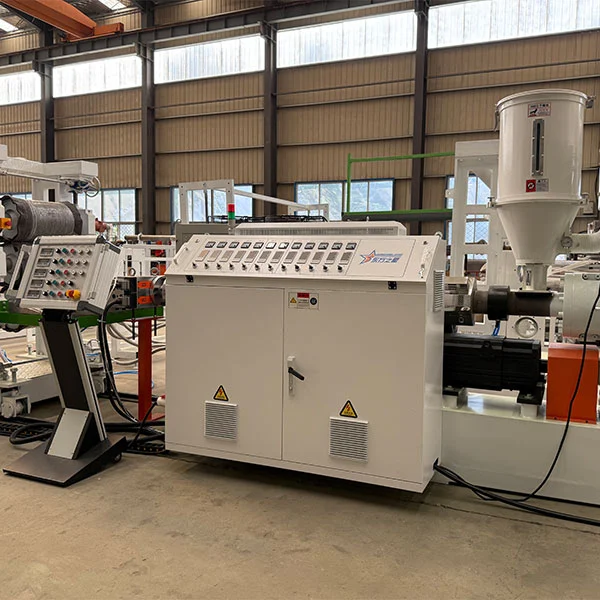
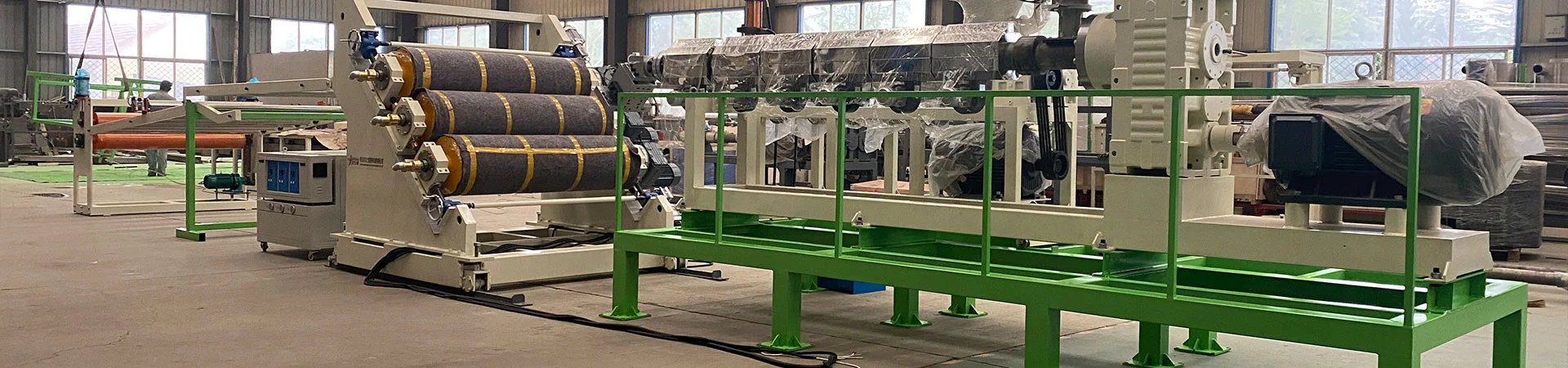
A PVC foam board extrusion line is, at its core, a conical twin-screw extruder paired with a full downstream line. Why conical twin-screw? Because PVC powder has poor thermal stability. A single-screw extruder generates too much frictional heat—the powder starts to degrade before it even melts. The conical twin-screw, on the other hand, avoids excessive frictional heat during extrusion, preventing melt decomposition. It delivers stable output, good mixing, and excellent plastication, making it the go-to choice for rigid PVC product manufacturing.
When selecting equipment, start with capacity and product specifications. The hourly output depends on the extruder model. In a typical configuration, an SJZ80/156 main extruder paired with an SJZ65/132 co-extruder produces 400–500 kg/hour, with board widths from 1220 mm to 2050 mm and thicknesses from 3 mm to 30 mm. For thicker boards (20 mm and above), you need a higher-torque extruder. The wider the board, the more demanding the die design and cooling calibration section become—this is not something you can fake with a generic machine.
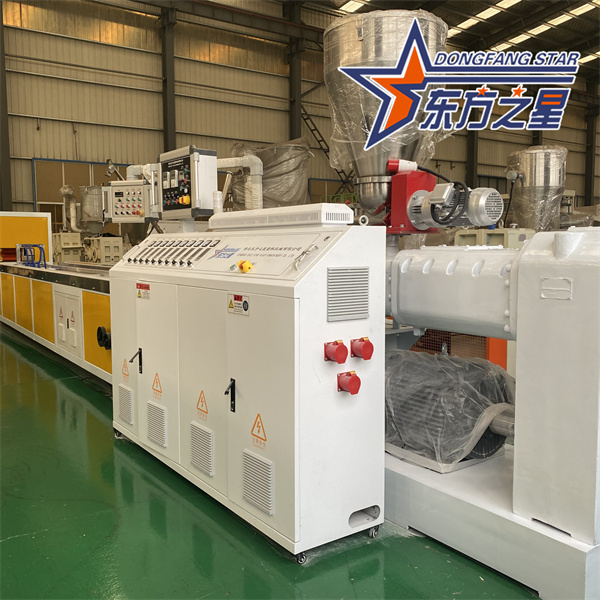
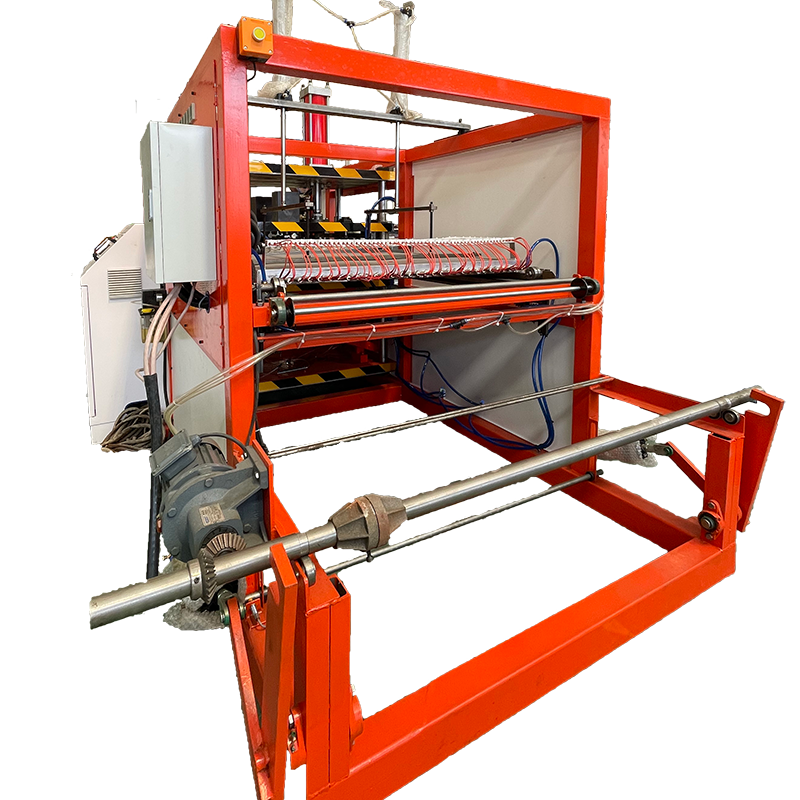
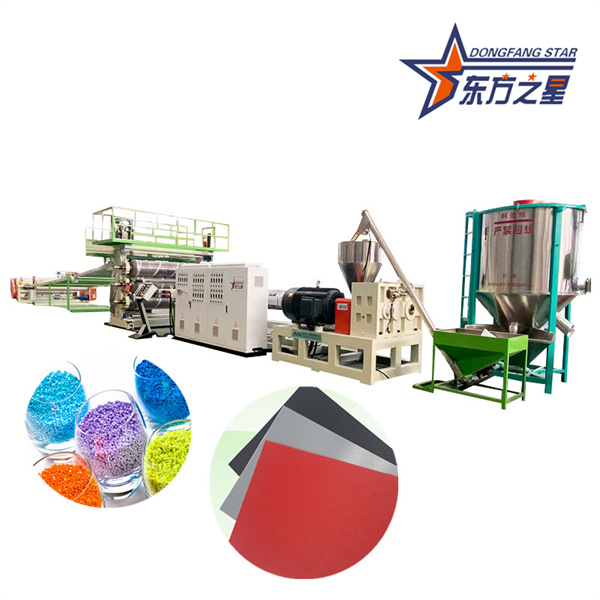
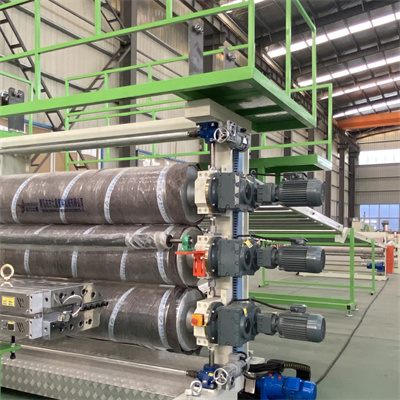
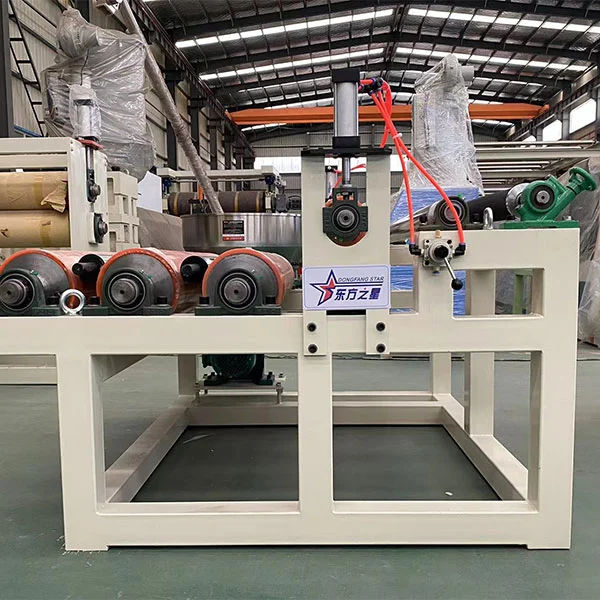
The downstream line is equally critical. The extruder is just the heart. The calibration table, cooling racks, haul-off unit, and cutting station determine the board's flatness and dimensional accuracy. When buying equipment, spend more time evaluating the complete line and less time looking at flashy main extruder specs.
The most common quality problem in PVC foam board is brittleness—boards that snap easily. More than 90% of board breakage issues trace back not to the formulation, but to poor plastication.
Plastication is the process where PVC powder is heated and sheared inside the screw, causing the molecular chains to fully open and entangle. If plastication is incomplete, the board's interior is like a poorly kneaded dough—loose, lacking toughness, and prone to snapping.
To judge plastication, do not rely on feel or appearance. Look at the main extruder motor current.
Current too low: Insufficient plastication. The material is too "slippery" and has not formed a viscous melt—it has not been properly worked.If the current is too low, do not rush to change the formulation. Increase the temperature of zones 3 and 4—the plastication and compression sections—by 2–3°C. The melt viscosity will rise, screw resistance will increase, and the current will come up. After adjusting the temperature, wait 15–20 minutes for the system to stabilize, observe the current change, and fine-tune in small steps until the current stabilizes near the target value.
PVC foam board extrusion temperature control is notoriously finicky. If the temperature is too high, the material foams prematurely inside the barrel, causing melt fracture and a rough board surface. If it is too low, plastication is incomplete, and the board surface becomes uneven.
The entire line's temperature control generally follows three zones:
| Zone | Location | Principle |
|---|---|---|
| Heating zone | Before the vent port (feed section + compression section) | Slightly higher temperature, rapid heat input |
| Constant-temperature zone | After the vent port (venting section + metering section) | Shear heat is already sufficient; both heating and cooling control are needed |
| Temperature-maintenance zone | Die head, adapter, and die body | Slightly lower than the extrusion section to maintain melt strength |
For rigid low-foam PVC board extrusion, research suggests a reference process: screw speed 38–42 rpm, die temperature 180–190°C, resulting in lower board density and better cell structure. But this is only a reference. Actual production must be tuned based on equipment, formulation, and product thickness.
Die temperature is particularly problematic. Too low, and the melt loses elasticity, causing the board to tear. Too high, and melt strength drops, bubbles rupture, and the board surface develops voids.
Extrusion pressure is the key to successful foaming. With sufficient pressure, bubbles are fine and dense. With insufficient pressure, bubbles are large and uneven, and the board surface suffers. The main motor current and die head pressure are reliable indicators of temperature control: when plastication is good, both current and pressure are stable. When plastication is poor, pressure fluctuates and current is unstable.
Screw speed also matters. Higher speed means higher output, but melt temperature rises quickly and process control becomes more demanding. However, foaming is more uniform and surface quality is better. Too low a speed means poor plastication, low efficiency, and a rough board surface. Additionally, the residence time of the material in the barrel and die must be monitored: too short, and the blowing agent does not fully decompose, resulting in higher board density; too long, and over-foaming occurs, degrading mechanical properties.
An extruder is built to process material. But if you do not maintain it, it will eat your profits instead.
Regular residue cleaning: PVC resin left on screws, barrels, and dies hardens over time, blocking flow paths and wearing components. After shutdown and cooling, disassemble the relevant parts and clean them using the manufacturer-recommended purging compound or soft tools. When cleaning the screw, reduce the main speed to about 5 rpm to minimize wear, and use compressed air to blow through the feed port and vent port repeatedly.
| Symptom | Likely Cause | Corrective Action |
|---|---|---|
| Board brittle, breaks easily | Poor plastication; low motor current | Increase zone 3–4 temperatures by 2–3°C; wait 15–20 minutes |
| Rough board surface | Die temperature too high or too low; melt fracture | Adjust die temperature in small increments (±2°C at a time) |
| Uneven bubble structure | Insufficient extrusion pressure; pressure fluctuations | Check die temperature; check screen pack for blockage |
| Fluctuating motor current | Unstable plastication; inconsistent feeding | Check feed section temperature; verify material feed consistency |
| Board thickness variation | Uneven haul-off speed; die lip gap not uniform | Adjust haul-off speed; check die lip adjustment bolts |
| Water leaks in cooling section | Worn seals; loose fittings | Replace seals; tighten cooling line connections |
PVC foam board extrusion technology is mature. The frame, screws, and temperature control systems—manufacturers all build them. The difference lies in whether, after you receive the equipment, you can tune the four variables—temperature, speed, pressure, and formulation—to work together based on your specific shop-floor conditions.