When people think about plastic materials, they often imagine colorful containers, pipes, or everyday household products. However, one interesting fact is that the same plastic material can sometimes appear completely different depending on its structure and manufacturing process.
PVC is a great example. Most people know PVC as a white or colored plastic used in pipes and construction materials. But PVC can also be made into highly transparent sheets used for packaging, protection, medical products, and industrial applications.
So, why can PVC sheets become transparent? What changes inside the material make it possible to turn ordinary PVC into a clear plastic sheet? The answer involves polymer structure, additives, and advanced extrusion technology.
A common misunderstanding is that PVC is naturally a transparent material.
In reality, pure PVC resin is not always perfectly clear. The transparency of PVC depends on several factors, including:
When PVC is processed correctly, the internal structure of the material allows light to pass through more effectively, creating a transparent appearance.
This is why transparent PVC sheets require more precise manufacturing techniques than ordinary PVC products.
To understand transparency, we first need to understand how light interacts with materials.
When light reaches a material, it can:
A transparent material allows most light to pass through with minimal scattering.
For PVC sheets, transparency depends on keeping the internal structure as uniform as possible.
If the material contains:
Light becomes scattered, causing the sheet to look cloudy or less transparent.
One interesting fact about PVC is that its appearance can change dramatically depending on how it is processed.
Used for:
Used for:
The difference is not simply the raw material itself. The processing technology plays a major role.
High-quality transparent PVC requires cleaner raw materials.
Impurities inside the material can affect light transmission and create visible defects.
Common problems include:
This is why transparent PVC production often has stricter material requirements.
PVC products usually contain different additives to improve performance.
For transparent PVC sheets, additives need to be carefully selected because they influence:
Suitable stabilizers help prevent discoloration during processing and improve product appearance.
During manufacturing, PVC must be heated and mixed until it reaches a suitable plastic state. This process is called plasticization.
Good plasticization helps achieve:
Poor plasticization may cause:
Producing transparent PVC sheets is not simply about melting plastic and forming a sheet. The extrusion process directly affects final quality.
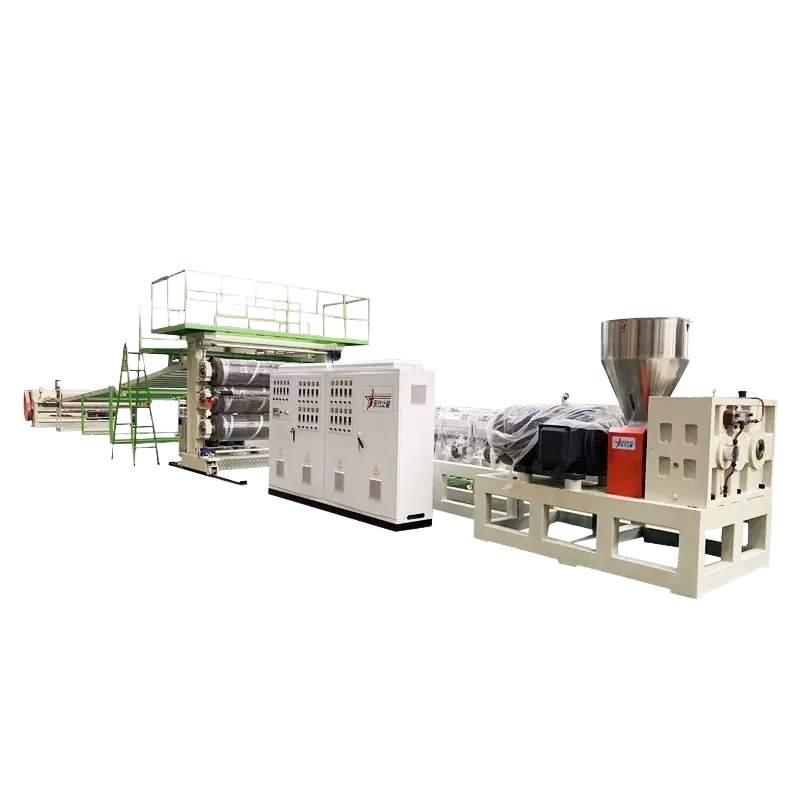
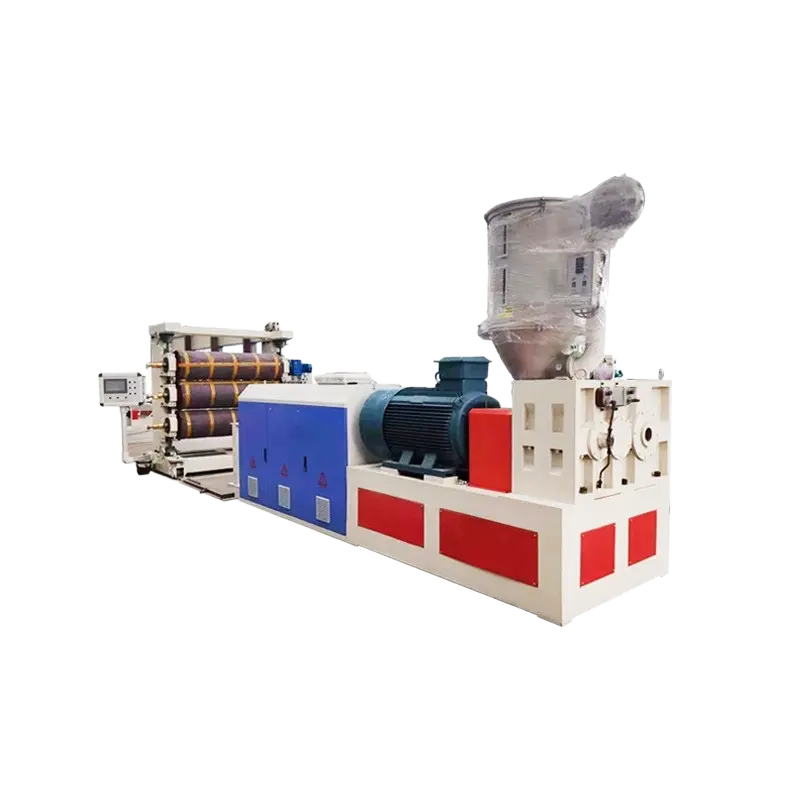
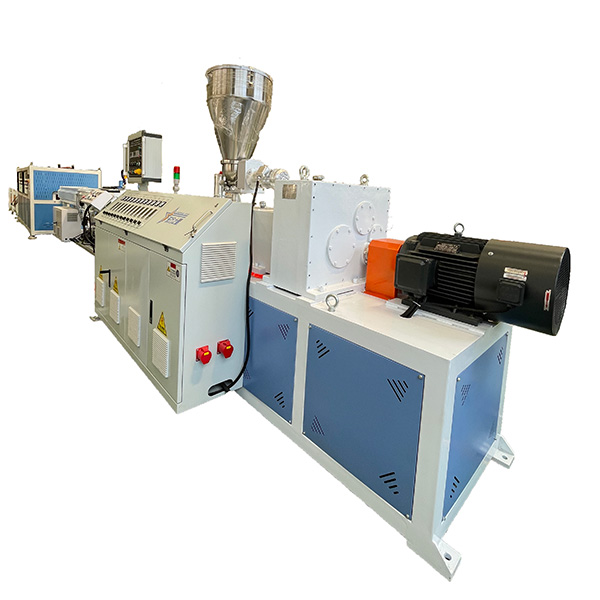
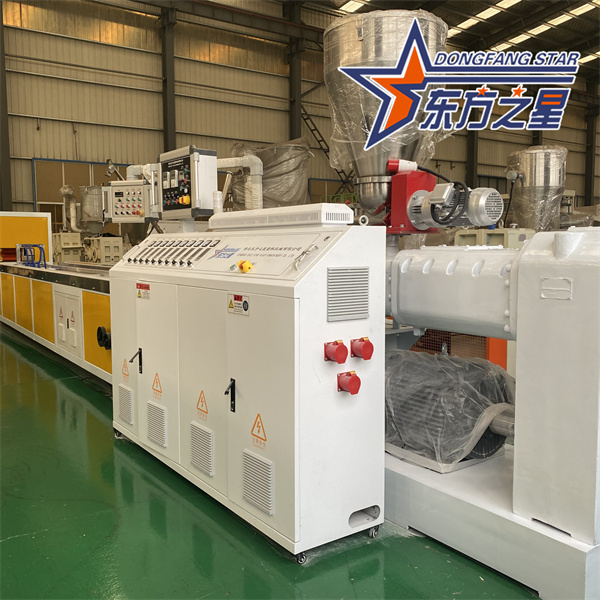
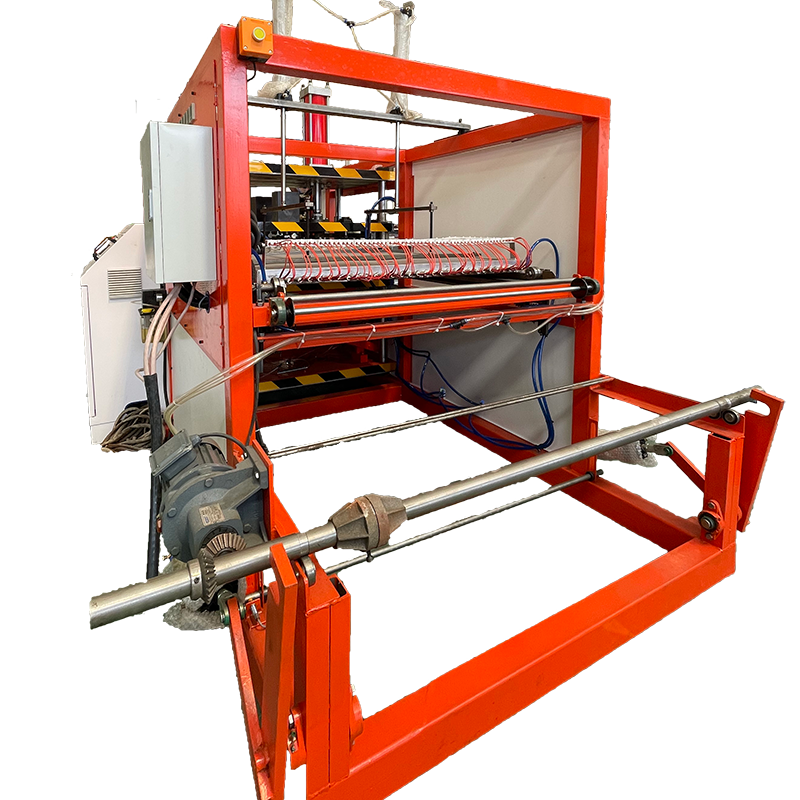
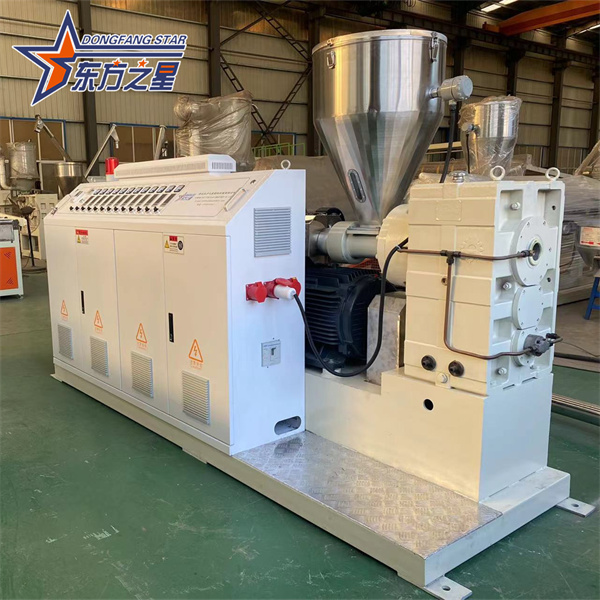
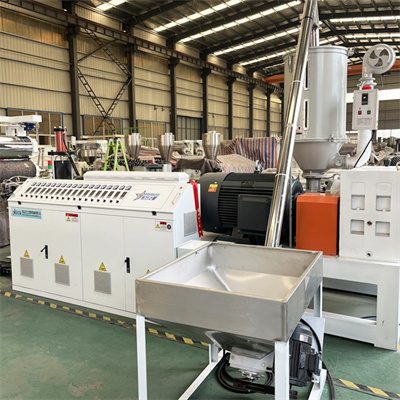
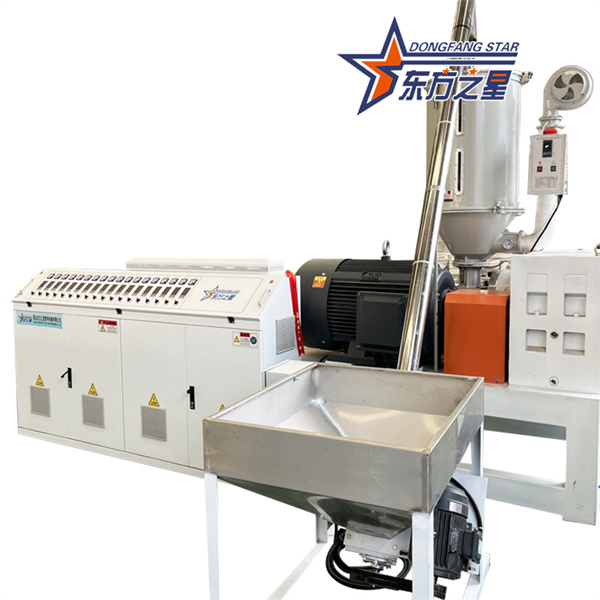
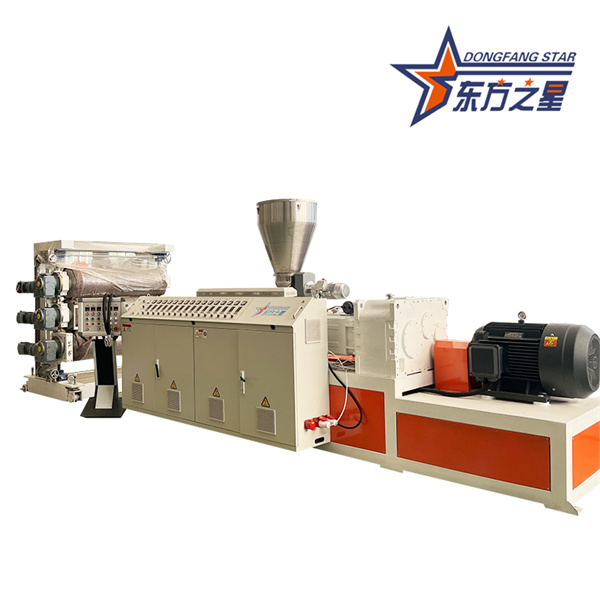
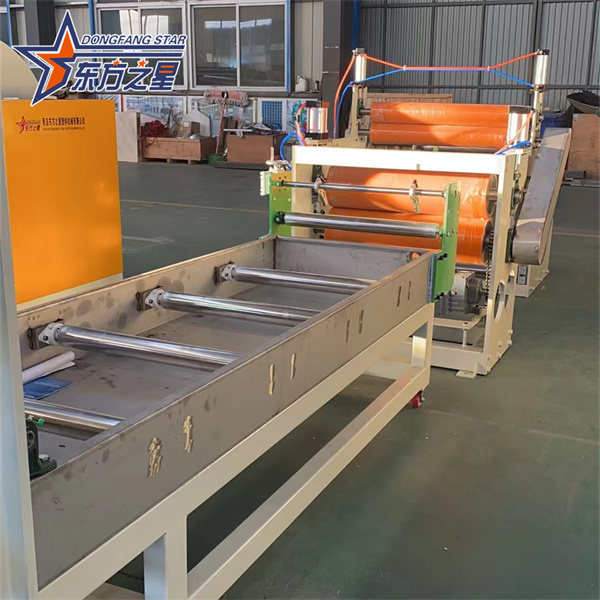
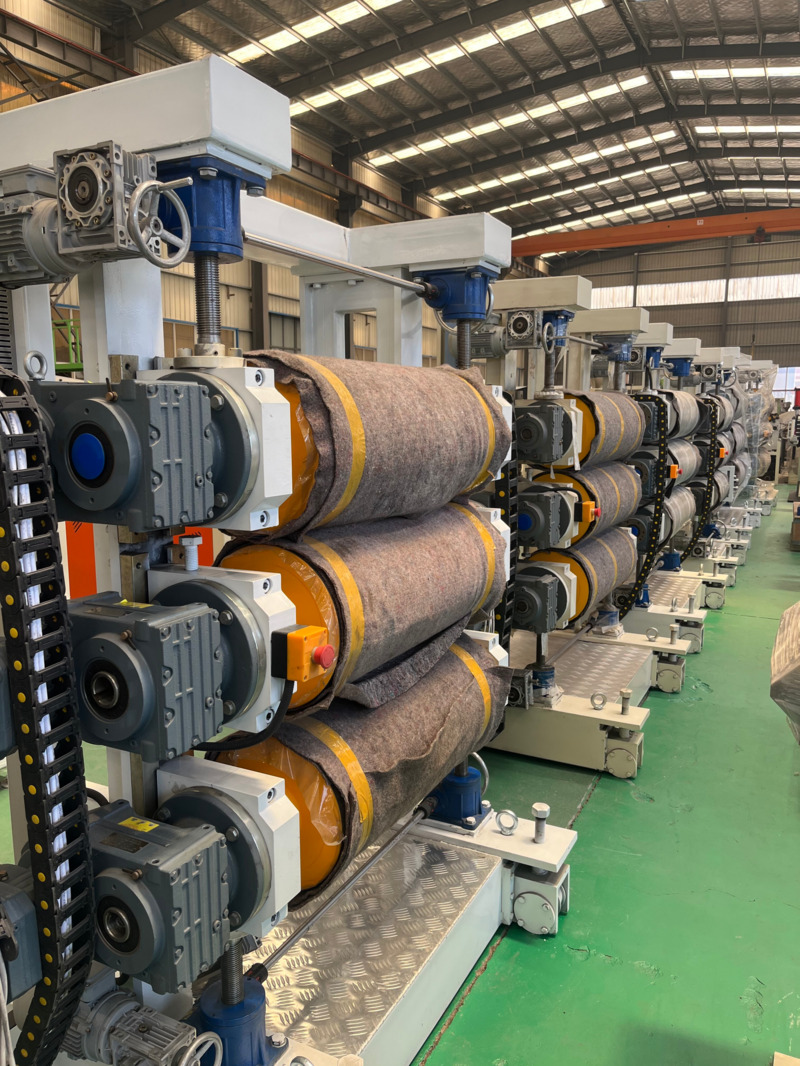
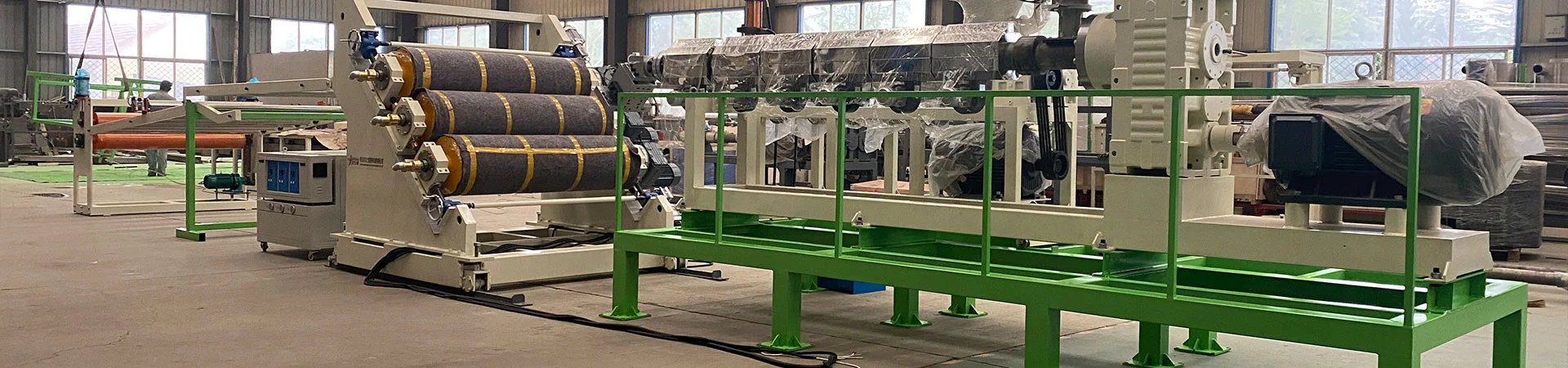
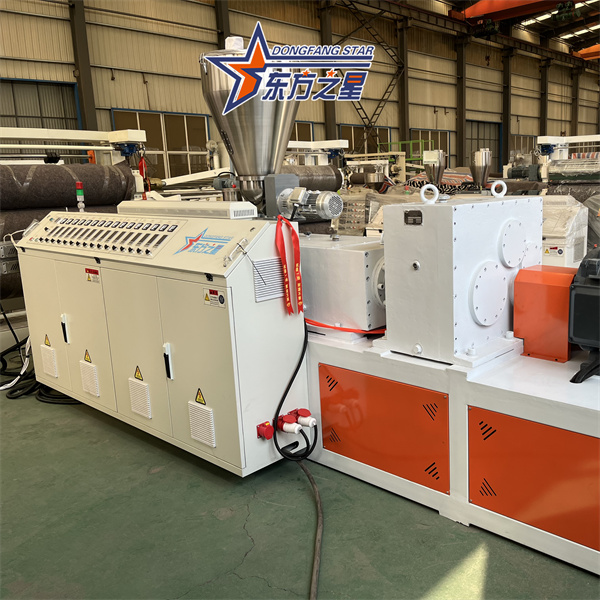
A professional Hard PVC Transparent Sheet Extruder Machine needs to control several important factors:
PVC is sensitive to processing temperature.
If the temperature is too low:
If the temperature is too high:
Precise temperature control helps maintain stable production.
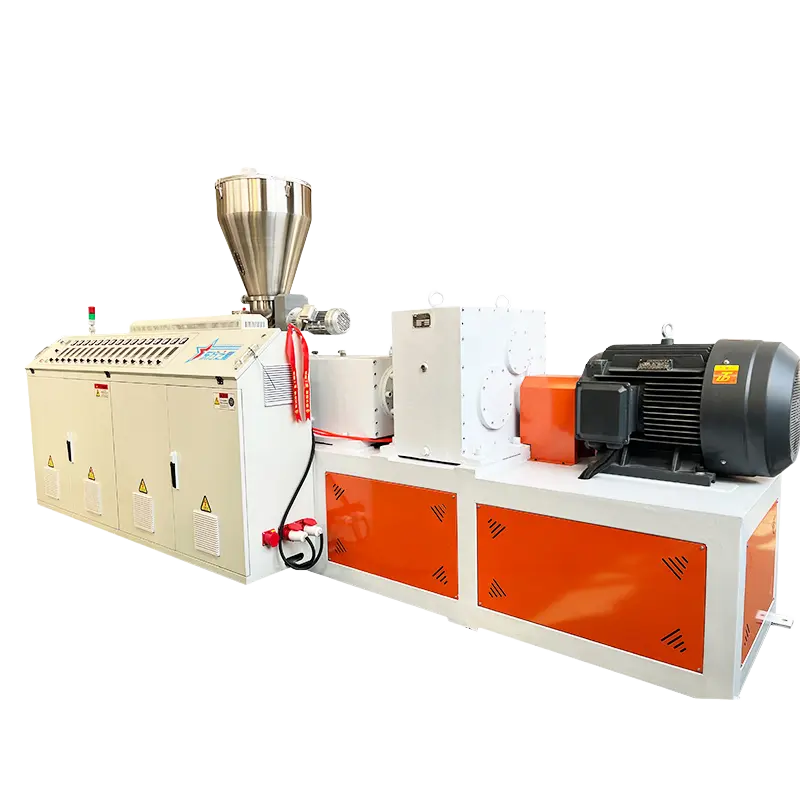
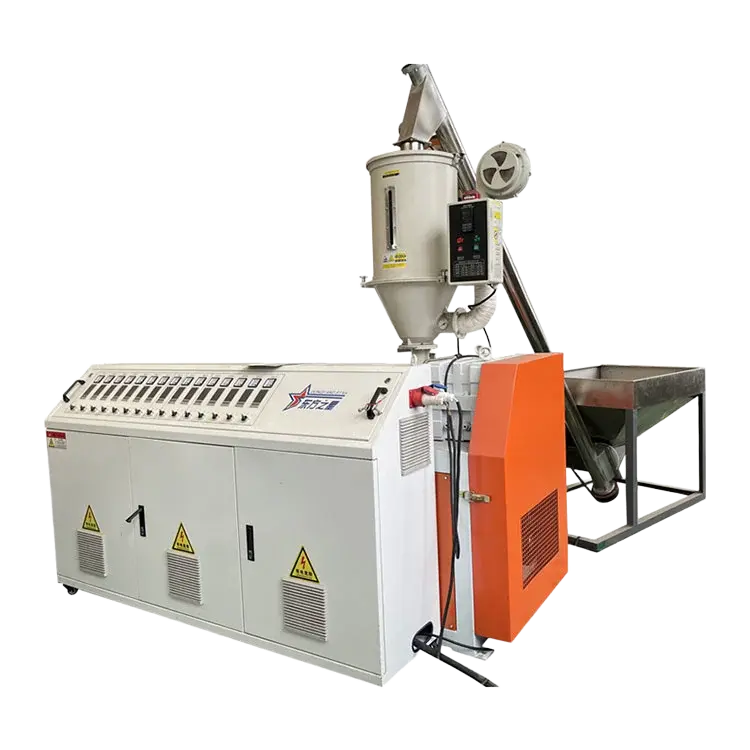
The extrusion screw is responsible for:
A suitable screw design helps create consistent material flow, which is important for transparent sheet production.
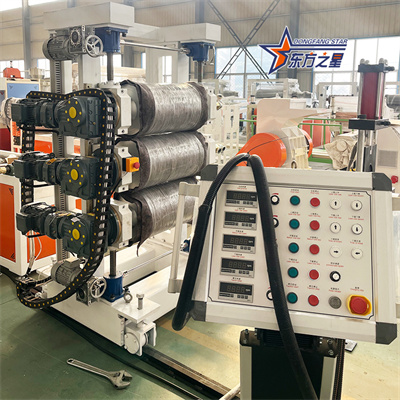
After extrusion, the hot PVC sheet needs controlled cooling.
Cooling affects:
Uneven cooling may cause deformation or optical defects.
Compared with ordinary plastic sheets, transparent PVC sheets have higher appearance requirements.
Small defects that may not matter in colored materials become obvious in transparent sheets.
Manufacturers need to control:
| Quality Factor | Why It Matters |
|---|---|
| Surface Smoothness | Affects visual appearance |
| Thickness Uniformity | Ensures consistent quality |
| Material Mixing | Prevents cloudy areas |
| Temperature Stability | Reduces production defects |
| Cooling Process | Improves flatness |
Examples:
Examples:
Examples:
Examples:
As industries demand better appearance, durability, and processing efficiency, transparent plastic materials continue to improve.
Future PVC sheet production may focus on:
Advanced extrusion technology will continue to play an important role in producing high-quality transparent PVC sheets.
The transparency of PVC sheets is not simply a natural property of the material. It is the result of careful control over raw materials, additives, processing conditions, and extrusion technology.
From packaging products to industrial protection materials, transparent PVC sheets demonstrate how engineering can transform an ordinary plastic material into a versatile functional product.
Behind every clear PVC sheet is a combination of material science and precision manufacturing technology.