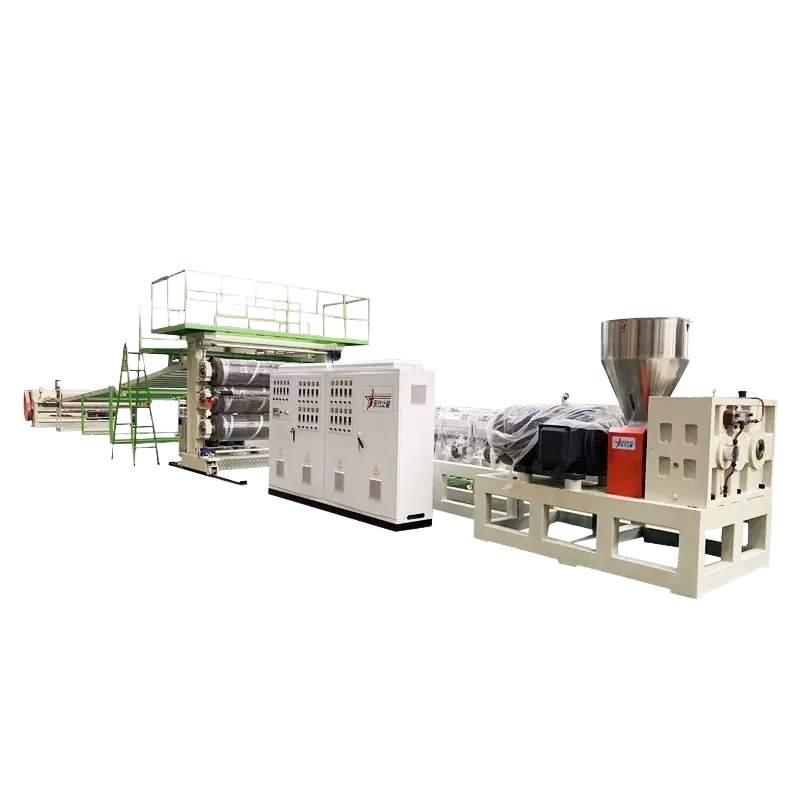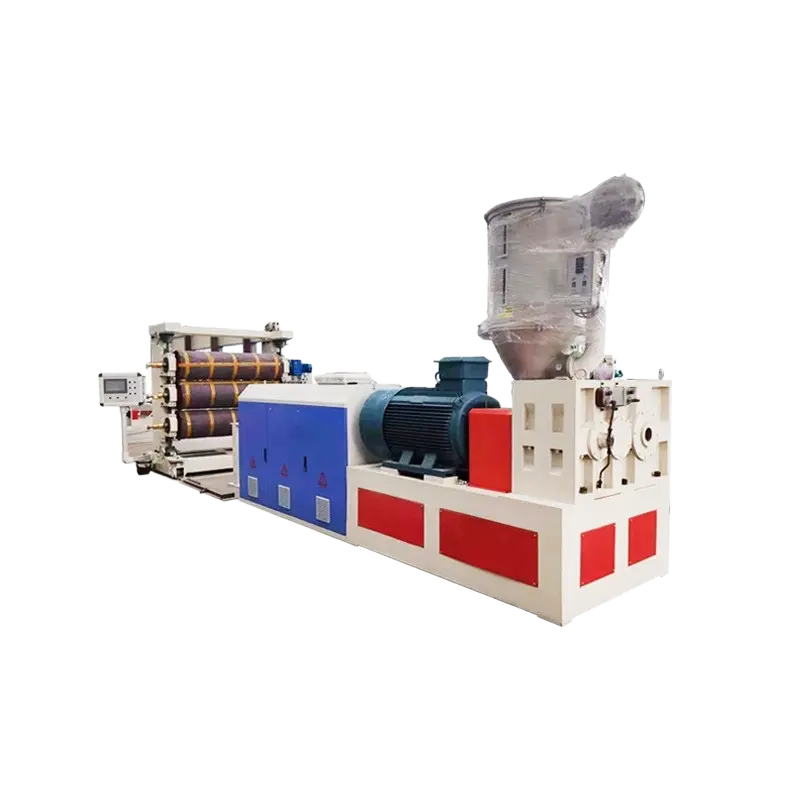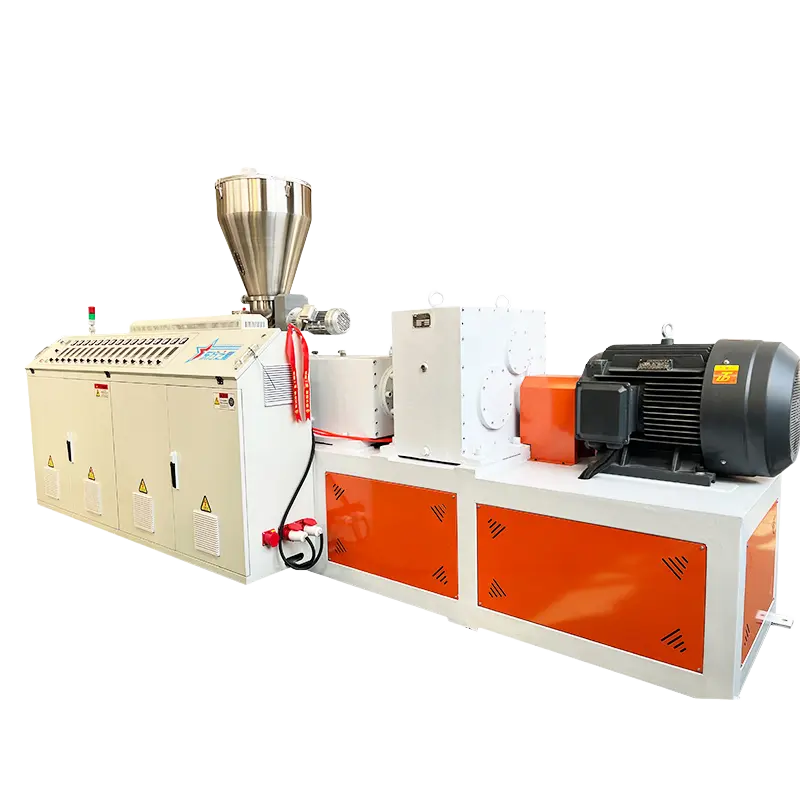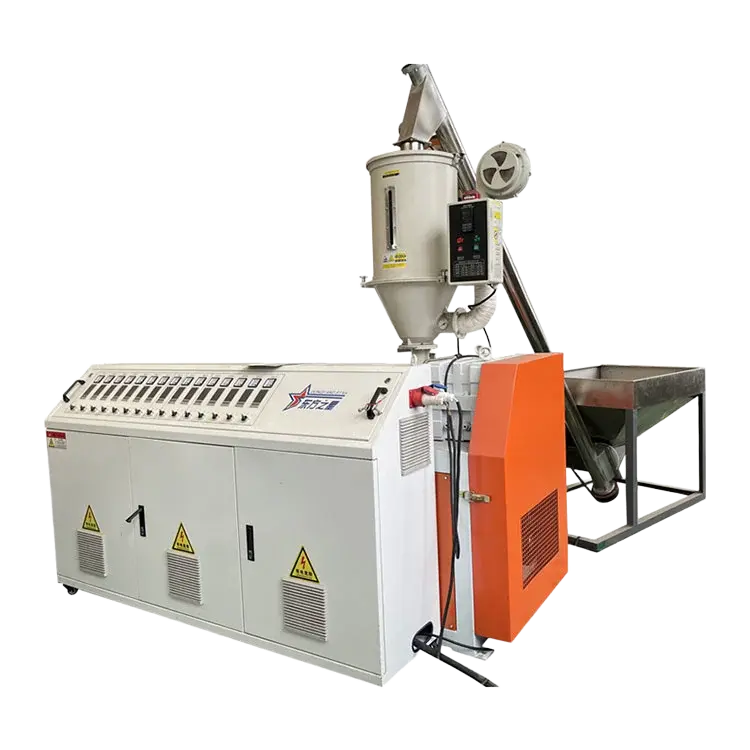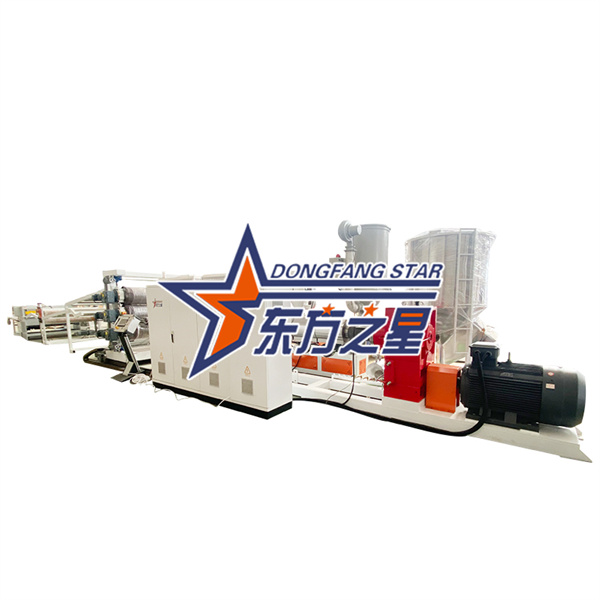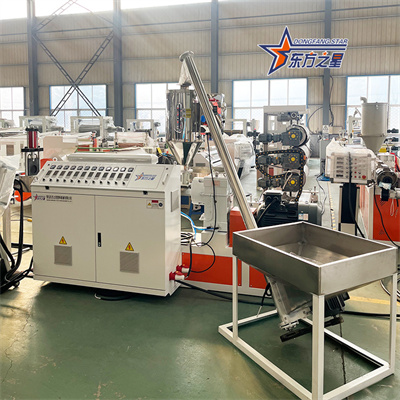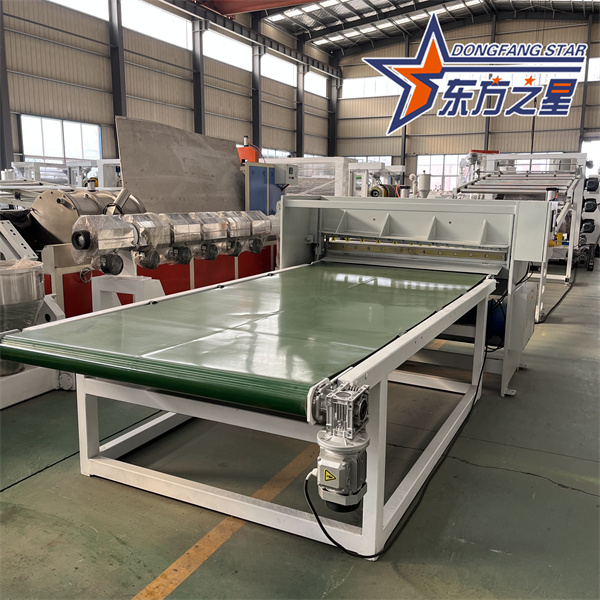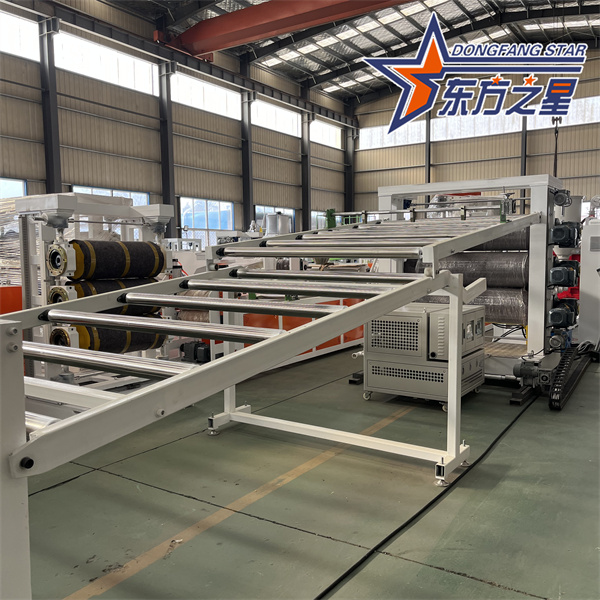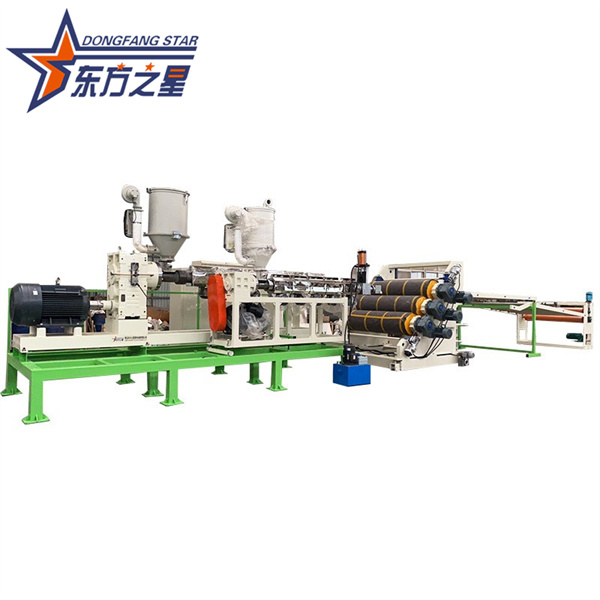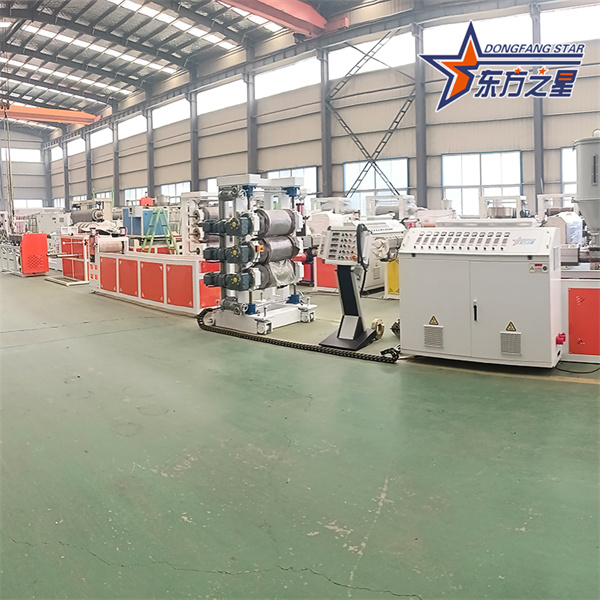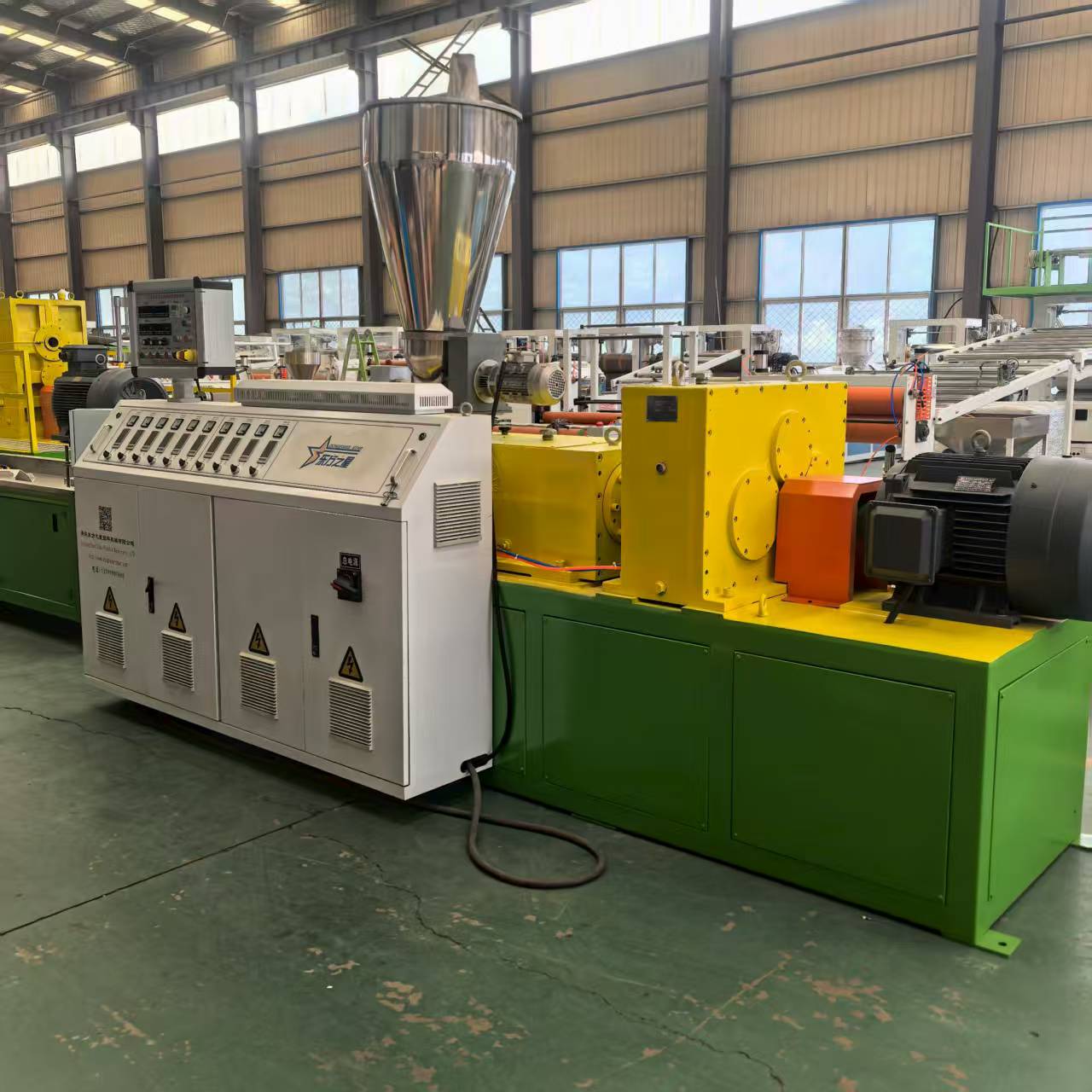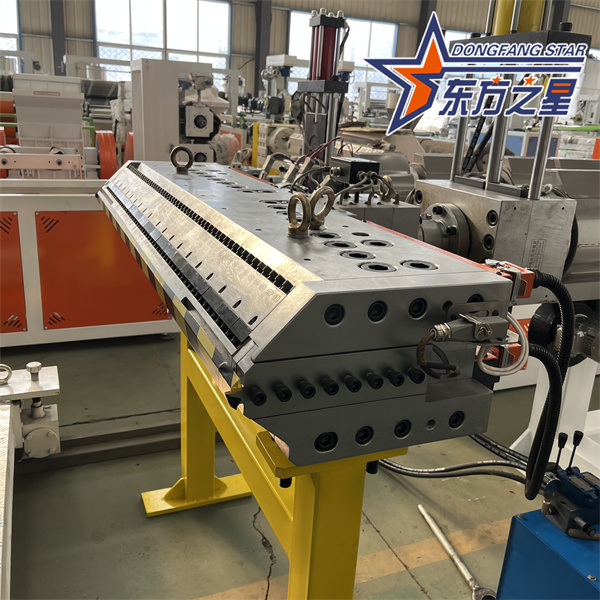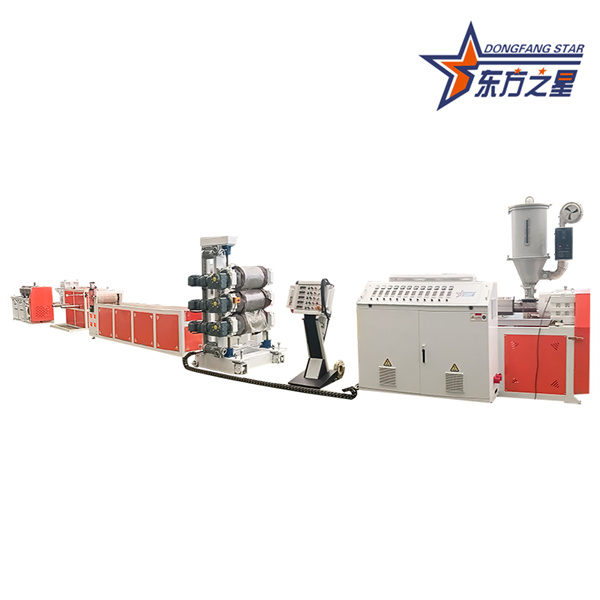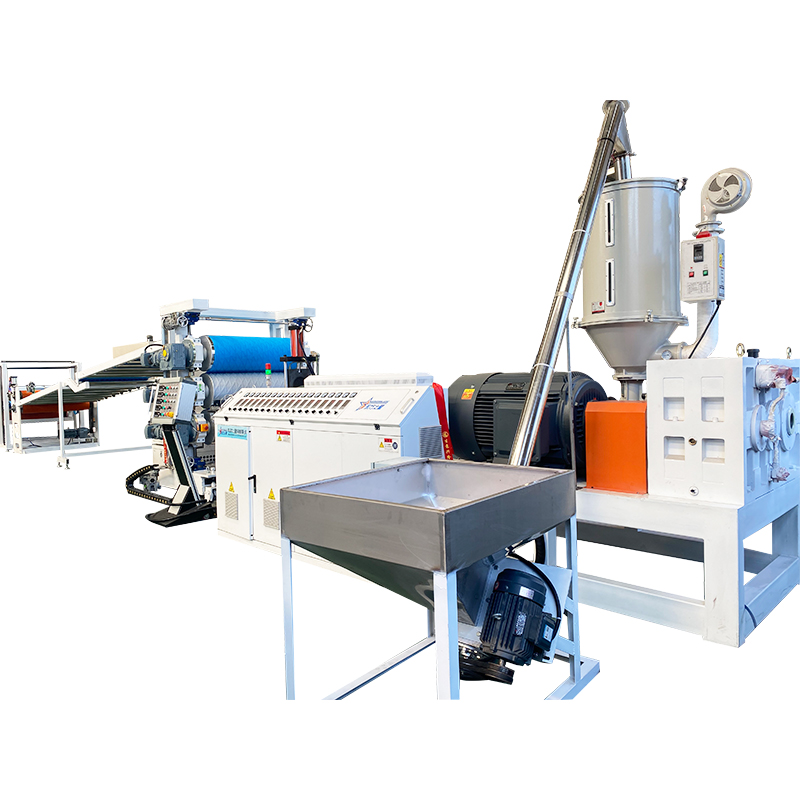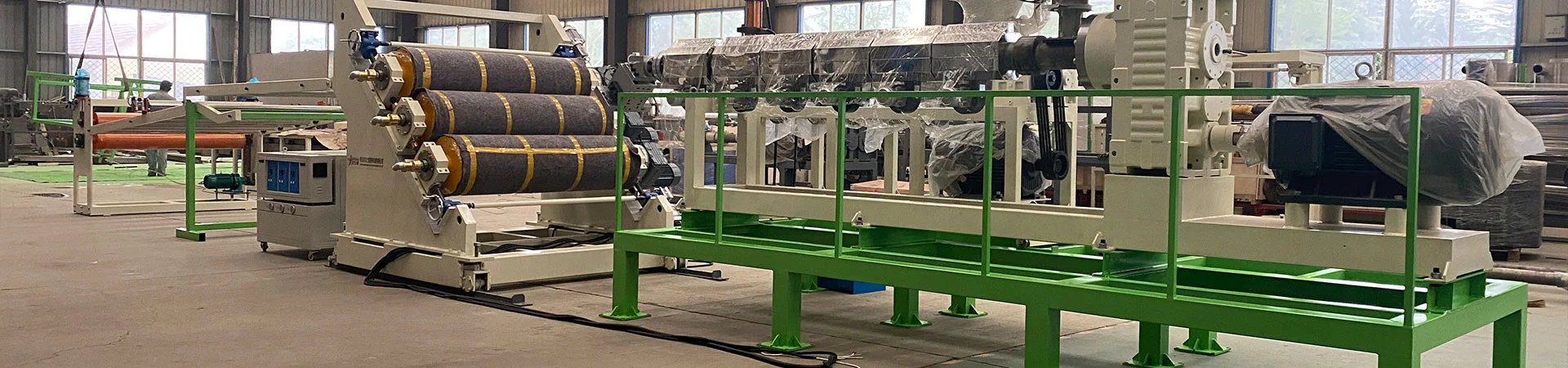
Polyamide (PA, nylon) and Polyoxymethylene (POM, acetal) are engineering thermoplastics that present unique challenges in sheet extrusion. Unlike commodity resins such as PS or PP, these materials require tighter process control, specialized screw designs, and careful post-extrusion treatment. This guide focuses on practical production considerations and provides reference parameters for stable, high-quality sheet output.
PA (Polyamide)
Semi-crystalline engineering plastic with excellent mechanical strength, wear resistance, and chemical stability.
Moisture-sensitive: PA absorbs moisture from the atmosphere (up to 0.5% in 24 hours for some grades), which hydrolyzes at melt temperatures, causing surface defects and reduced molecular weight -5.
Processing temperature range: typically 230–280°C depending on grade.
POM (Polyoxymethylene / Acetal)
High stiffness, low friction, excellent dimensional stability, and outstanding fatigue resistance—often used as a metal replacement in automotive and industrial applications -5.
Thermal degradation risk: POM has a narrow processing window; melt temperature should generally not exceed 205–225°C for homopolymer grades .
Moisture absorption is lower than PA, but pre-drying is still recommended for critical applications.
Screw Design Considerations
The screw is the heart of the line. For POM extrusion, a three-section screw geometry with the following general parameters is recommended :
| Parameter | General Recommendation |
|---|---|
| Overall length (L/D) | 20–30 D |
| Feed section length | 8–9 D |
| Compression section length | 3–5 D |
| Metering section length | 9–12 D |
| Feed section flight depth (hₑ) | 7–8 mm (for 45–60mm Ø screws) |
| Metering section flight depth (hₐ) | 2.5–4 mm |
Key points:
A vented (two-stage) screw is strongly recommended for POM extrusion. The decompression zone allows moisture and volatiles to escape through a vacuum port, reducing surface defects and eliminating the need for separate pre-drying in many cases -4-10.
Screw material should be 38CrMoAl with nitriding treatment (HRC 55–60, nitriding depth ≥0.6mm) for wear resistance -2.
Typical Laboratory/Production Extruder Specifications -2
| Component | Specification Range |
|---|---|
| Screw diameter | Φ20mm (lab) to Φ90mm+ (production) |
| L/D ratio | 28:1–30:1 |
| Screw speed | 0–285 rpm (variable frequency control) |
| Barrel heating zones | 3–5 zones |
| Die heating zones | 2–3 zones |
| Cooling system | Multi-stage fan cooling or water cooling |
| Control system | PLC with color touch screen, temperature/pressure monitoring |
Temperature Settings for POM Sheet -3-4
| Zone | Temperature Range (°C) |
|---|---|
| Solid conveying zone (feed) | 170–175 |
| Melting zone | 175–180 |
| Melt conveying zone | 180–185 |
| Adapter / transition | 175–180 |
| Die | 175–185 |
| Melt temperature (target) | 180–205 (copolymer), 205–225 (homopolymer) |
Note: For POM homopolymer grades (e.g., Delrin®), melt temperature should not exceed 225°C to avoid degradation. For thicker sheets, keep melt temperature below 180°C to prevent internal voids -3.
Temperature Settings for PA (Nylon) Sheet
| Zone | Approximate Range (°C) |
|---|---|
| Feed zone | 220–240 |
| Compression zone | 240–260 |
| Metering zone | 250–280 |
| Die | 250–270 |
Calender Roll Temperatures -3
For POM sheet, three-roll stack temperatures typically range from 130°C to 170°C, depending on sheet thickness. The top roll is usually set slightly higher than the middle roll, with the bottom roll coolest. For PA, roll temperatures should be higher to prevent premature solidification.
POM Sheet Production Example -3
Machine: 90mm Ø, 30D extruder
Sheet dimensions: 770mm × 1.6mm
Screw speed: 25 rpm
Take-off rate: 0.63 m/min
Output: ~68 kg/h
POM Plate (Thick Sheet) Production Example -3
Product: 60mm diameter rod (similar principles apply to thick sheet)
Screw speed: 42 rpm
Take-off rate: 20 mm/min (per cavity)
Output: ~17 kg/h
Start-up and Normal Operation Speeds -4
Initial screw speed during warm-up: 3–4 rpm
Normal operating speed: 10–12 rpm (adjust based on output requirements and die pressure)
Moisture Management
PA must be pre-dried (typically 3–4 hours at 80–100°C) to prevent hydrolytic degradation. POM benefits from drying (3 hours at 100–110°C) or can use a vented extruder design to eliminate moisture in-line -3-5.
For POM, a vented screw design eliminates the need for separate pre-drying, significantly simplifying production. A 2012 patent describes this approach: moisture is evaporated during plastication and extracted through a vacuum port, reducing energy consumption and equipment cost -4-10.
Die Design
T-slot dies with adjustable lips are standard. For POM, the die body should be maintained at a uniform temperature (e.g., 185°C across the die) to ensure consistent flow -3.
For multi-layer barrier sheets incorporating PA, co-extrusion lines with 5–9 layers are available, with outputs of 500–800 kg/h and sheet widths of 800–1200mm -6-8.
Pressure Control
Maintaining consistent die inlet pressure is critical for thickness uniformity. A melt pump between the extruder and die is recommended for precision applications.
Both PA and POM sheets exhibit internal stresses from non-uniform cooling. For high-precision parts, annealing (heat treatment) is essential -3-4.
POM Annealing Schedule (Recommended) -4-10
| Stage | Temperature (°C) | Duration / Notes |
|---|---|---|
| 1 | 40 | Ramp up, 20 min |
| 2 | 70 | Ramp up, 20 min |
| 3 | 70 | Hold, 180 min |
| 4 | 100 | Ramp up, 20 min |
| 5 | 100 | Hold, 180 min |
| 6 | 135 | Ramp up, 20 min |
| 7 | 135 | Hold: thickness (mm) × 2 × 60 min |
| 8 | 100 | Cool down, 20 min |
| 9 | 100 | Hold, 180 min |
| 10 | 70 | Cool down, 20 min |
| 11 | 70 | Hold, 180 min |
| 12–13 | 40 | Final cool-down and hold |
General POM Annealing Rule -3
Temperature: 140–145°C (higher temperatures are ineffective; lower temperatures do not relieve stress)
Duration: 10 minutes per 1mm of wall thickness
| Problem | Likely Cause | Solution |
|---|---|---|
| Surface silver streaks / bubbles | Moisture in melt | Dry PA thoroughly; check vented screw operation for POM |
| Yellowing / discoloration | Overheating (POM) | Reduce barrel/die temperatures; check melt temperature |
| Thickness variation | Pressure fluctuation | Install melt pump; check screw speed stability |
| Roll marks / sticking | Roll temperature too high/low | Adjust three-roll temperature gradient |
| Poor dimensional stability | Internal stresses | Anneal sheet per recommended schedule |
| Die build-up / degradation | Excessive residence time | Reduce screw speed; purge before shutdown |
Laboratory / Pilot Line -2
Screw: Φ20mm, 28:1 L/D
Output: material-dependent
Speed: 0–285 rpm
Roller speed: 0–15 rpm (calender), 0–20 rpm (take-off)
Power: 380V, 50Hz, 3-phase
Weight: ~175 kg
Production Line (Multi-layer) -8
Extruder models: 120/75/50/60/75 (7-layer configuration)
Product width: 800–1200mm
Thickness range: 0.05–0.5mm
Output: 500–800 kg/h
Thick POM Sheet Line -9
Capable of producing sheets up to 25–70mm thickness
Suitable for thick POM plates used as metal substitutes in machinery applications
PA and POM sheet extrusion requires a deeper understanding of material behavior than standard commodity resins. Key success factors include:
Proper screw selection—vented designs for moisture management
Precise temperature control—particularly critical for POM to avoid degradation
Post-extrusion annealing—essential for stress relief and dimensional accuracy
Melt pressure stability—achieved through melt pumps and consistent feeding
With careful parameter control and the right equipment configuration, PA and POM sheet extrusion lines can reliably produce high-quality engineering sheets for automotive, industrial, and precision applications.
-