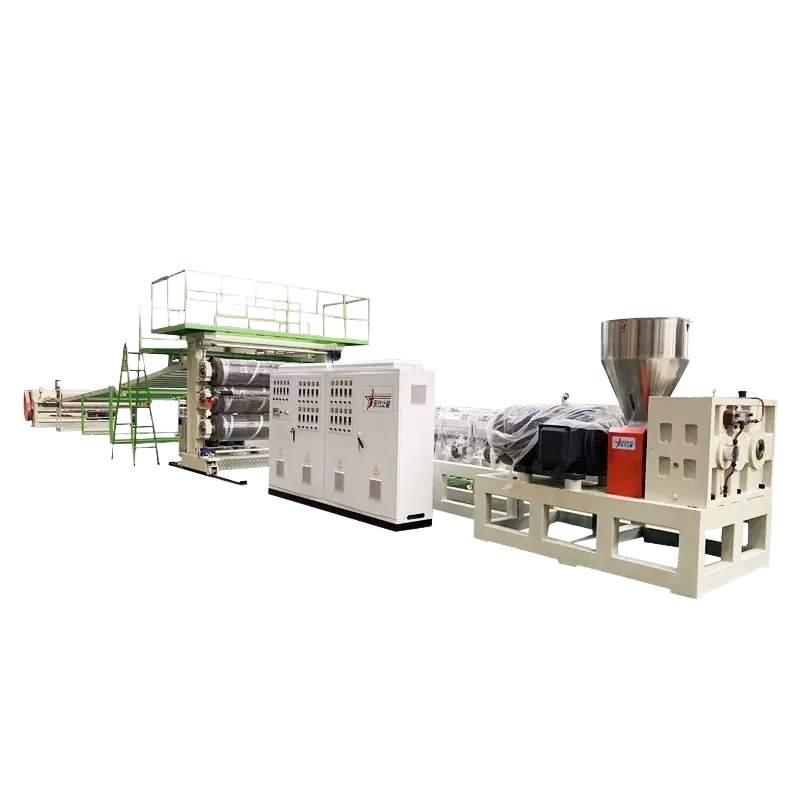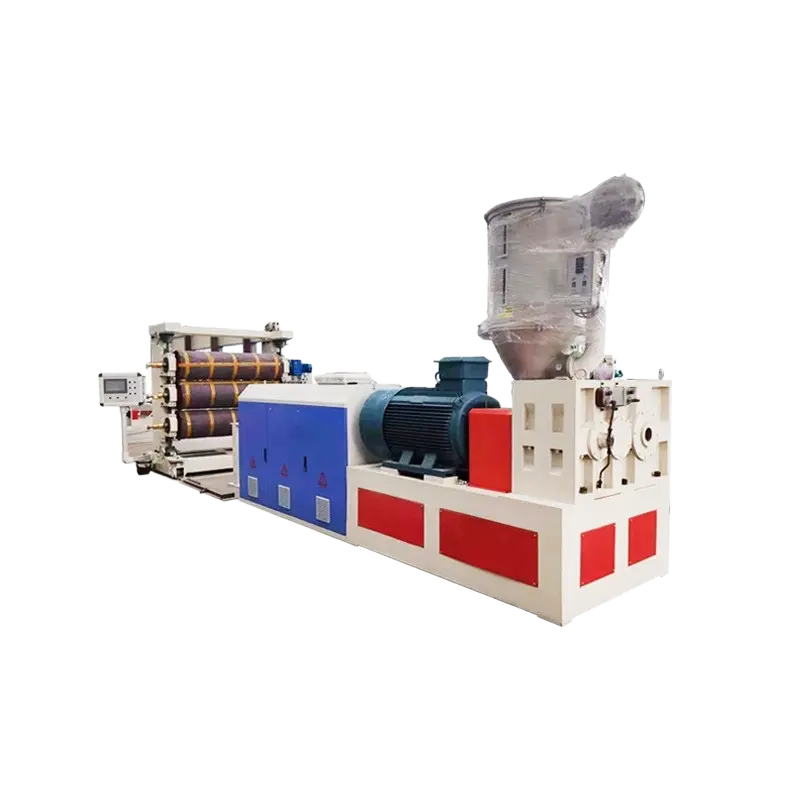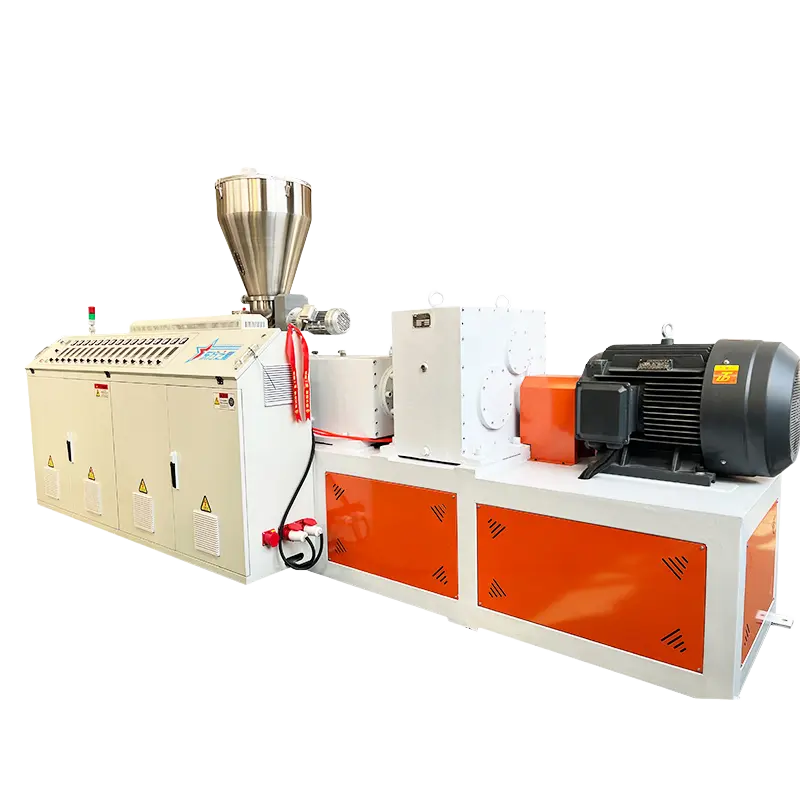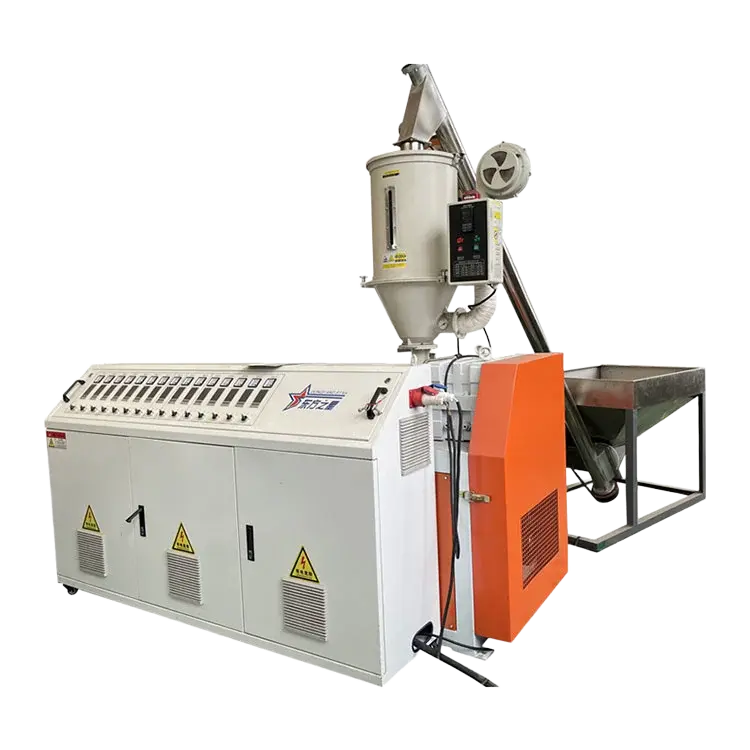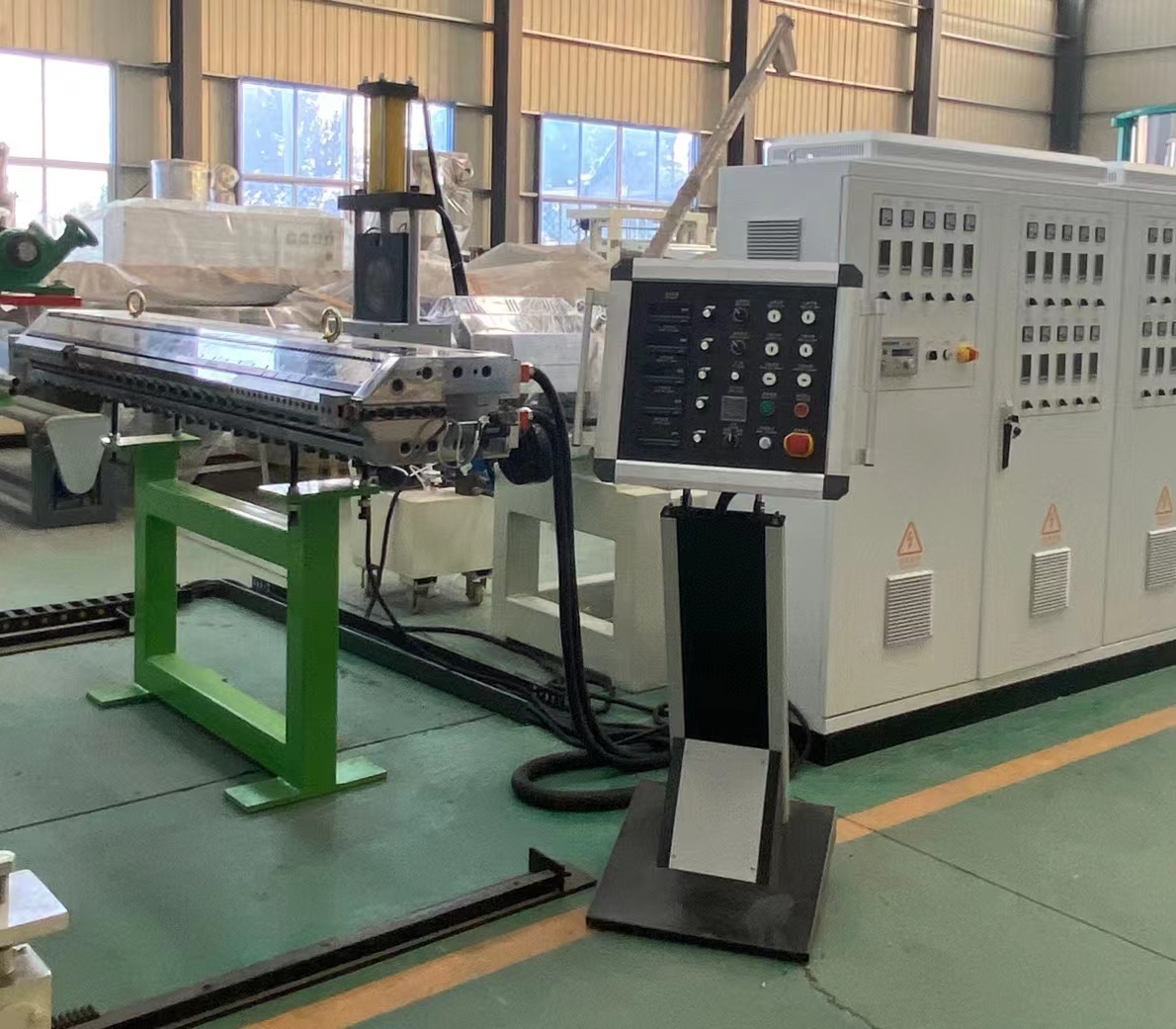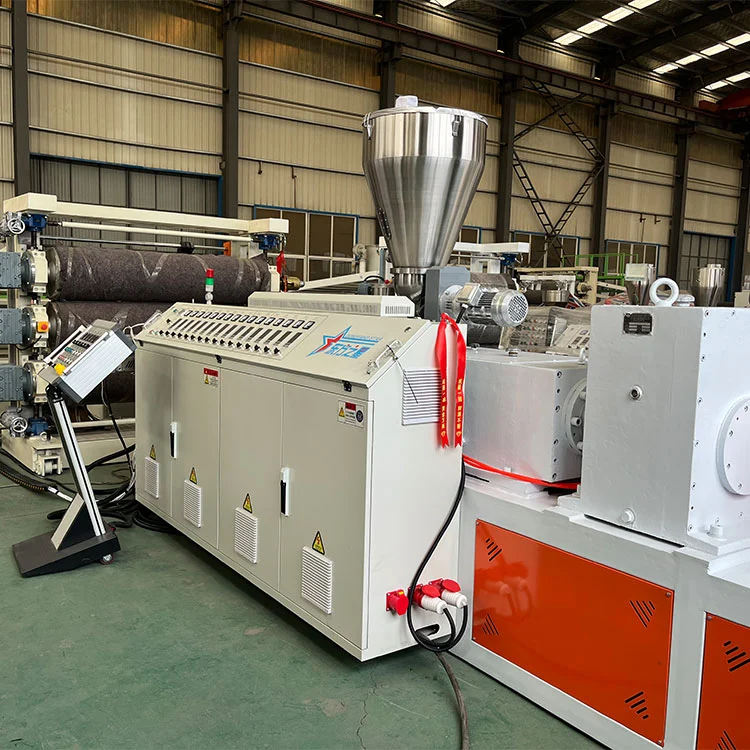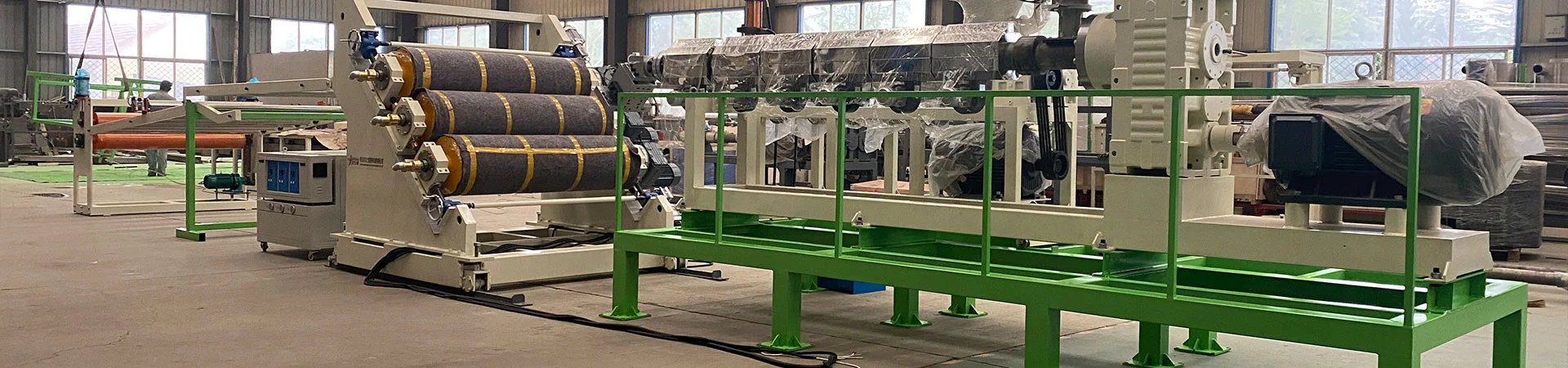
In today’s highly competitive manufacturing industry, efficiency, precision, and product consistency are the keys to success. Among various plastic sheet production technologies, the PS Sheet Extruder Machine stands out for its ability to produce high-quality polystyrene sheets used across packaging, printing, and thermoforming applications. Whether you are a packaging manufacturer, a food container producer, or an industrial supplier, understanding how a PS sheet extrusion line works and what specifications to look for can significantly impact production output and profitability.
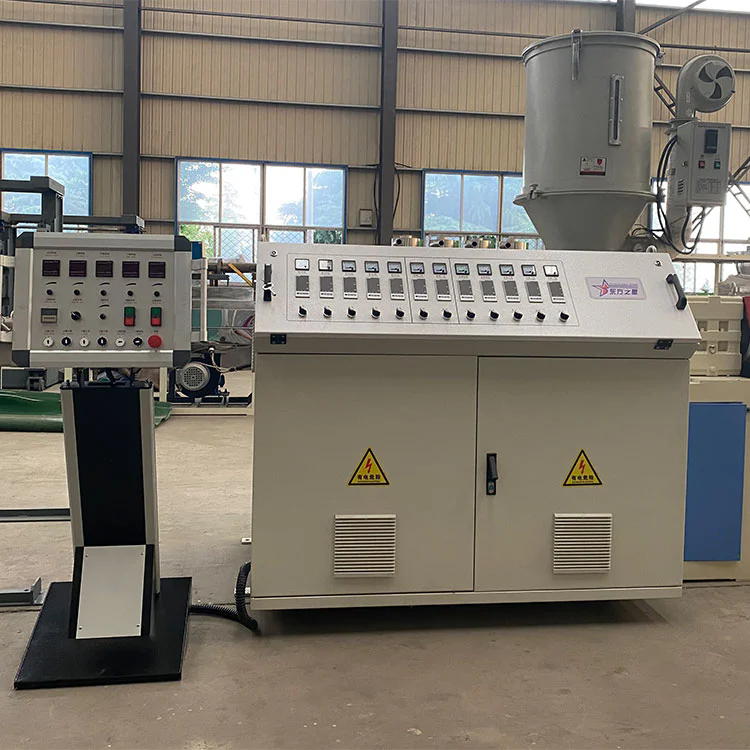
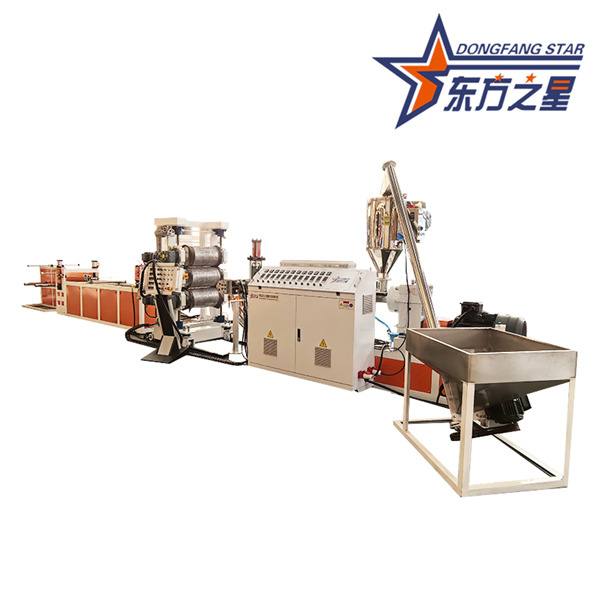
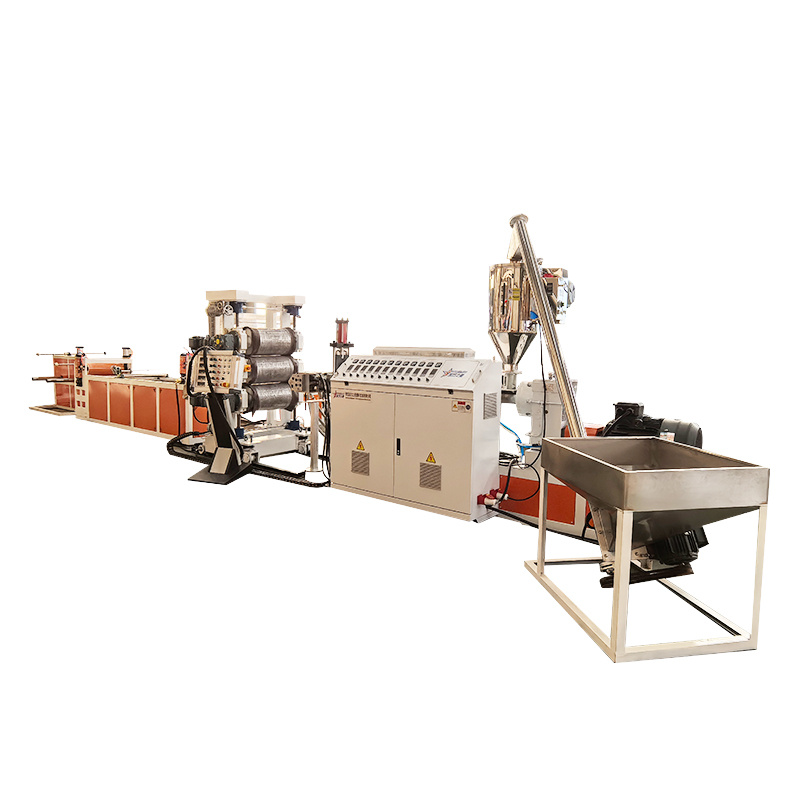
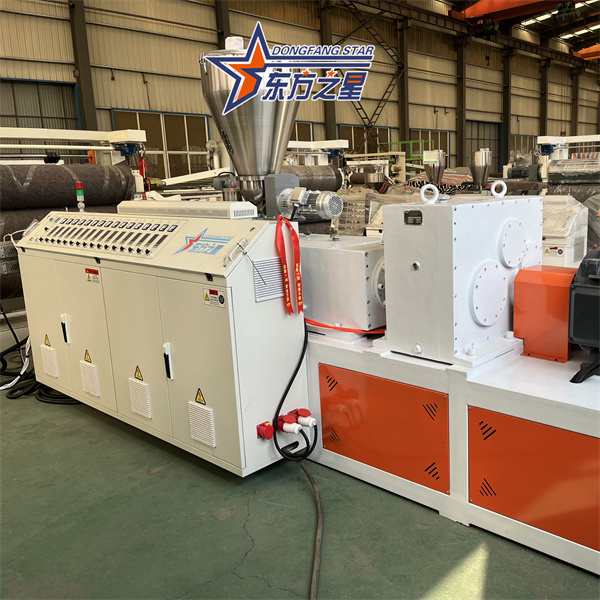
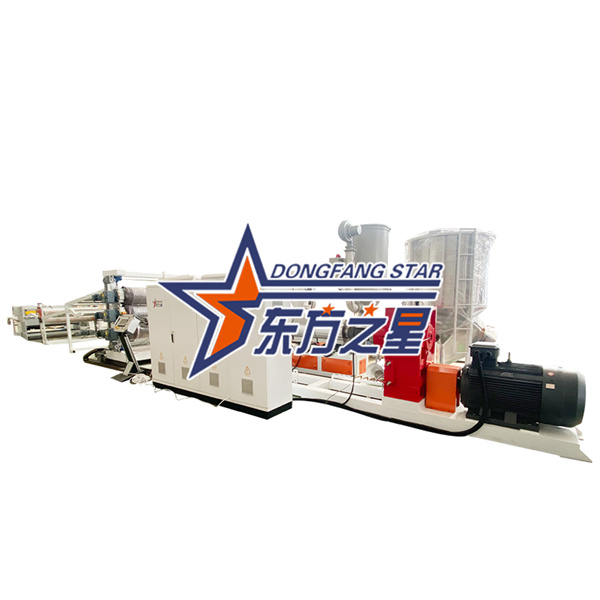
A PS Sheet Extruder Machine is a specialized piece of equipment used to manufacture polystyrene (PS) sheets through an extrusion process. Polystyrene is a lightweight, cost-effective, and versatile thermoplastic widely used in packaging, disposable tableware, electronics, and various consumer products. The extrusion process transforms solid polystyrene pellets into continuous sheets with consistent thickness, smooth surfaces, and customizable properties.
The extrusion process involves several sequential steps designed to convert raw materials into finished PS sheets efficiently:
Feeding and Melting
Polystyrene pellets are fed into a hopper, where they move into a heated barrel. Inside, they are melted using controlled temperatures to achieve uniform viscosity.
Extrusion and Shaping
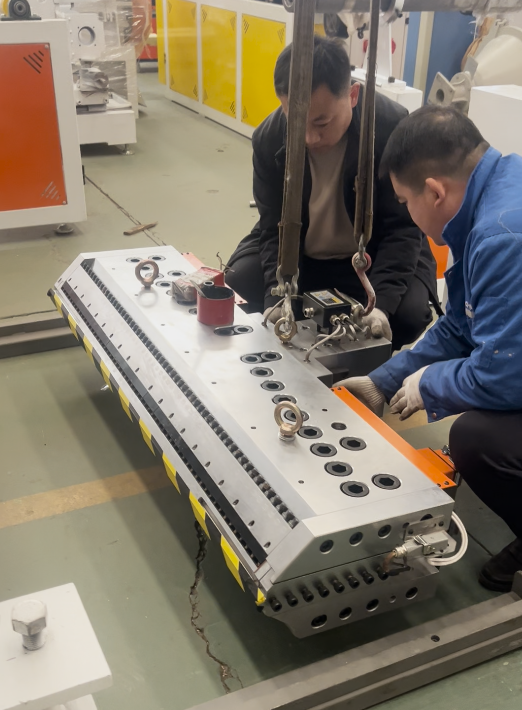
The molten PS passes through a specially designed T-die to form sheets with precise dimensions and consistent surface quality.
Calendering
High-precision rollers cool and compress the sheets, ensuring optimal thickness control and surface finish.
Haul-off and Cutting
After cooling, the continuous sheet is pulled by haul-off rollers and cut into desired lengths or wound onto rolls.
Surface Treatment and Finishing
For applications like printing or thermoforming, PS sheets may undergo additional surface treatments, such as corona treatment or embossing.
The choice of extrusion equipment plays a critical role in your production efficiency and final product quality. Investing in a reliable PS Sheet Extruder Machine provides several benefits:
High Production Efficiency
Modern PS extruders are designed to handle large-scale production with minimal downtime.
Superior Sheet Quality
Achieve uniform thickness, excellent surface smoothness, and high optical transparency, ideal for packaging and printing.
Energy-Saving Performance
Advanced heating technologies and efficient cooling systems reduce energy consumption without compromising output.
Flexible Applications
Suitable for producing PS sheets used in food packaging, blister packs, disposable cups, trays, and industrial components.
Easy Integration with Downstream Equipment
PS extruder machines can be paired with thermoforming machines, cutting systems, and printing lines for seamless production.
Selecting the right machine requires evaluating technical specifications that directly influence output, quality, and versatility. Below is a sample specification table for a high-performance PS Sheet Extruder Machine:
| Specification | Details |
|---|---|
| Model | ES-PS120 |
| Sheet Width | 600 mm – 1200 mm |
| Sheet Thickness | 0.2 mm – 2.0 mm |
| Output Capacity | 250 – 600 kg/hr |
| Screw Diameter | 120 mm |
| L/D Ratio | 34:1 |
| Main Motor Power | 75 kW |
| Heating Zones | 5–7 zones with PID temperature control |
| Cooling System | High-capacity water circulation |
| Winder Type | Automatic or semi-automatic |
| Applications | Food packaging, cups, trays, lids, industrial sheets |
| Automation Level | Fully automatic PLC control system |
This level of technical precision ensures manufacturers achieve high-quality PS sheets consistently while optimizing energy consumption and production speeds.
When selecting a PS Sheet Extruder Machine, several factors determine the best fit for your production needs:
Estimate your required daily or monthly output and match it with a machine capable of sustaining that demand without overloading.
For example, food-grade packaging requires high optical clarity and certified safety standards, while industrial applications may focus more on strength and heat resistance.
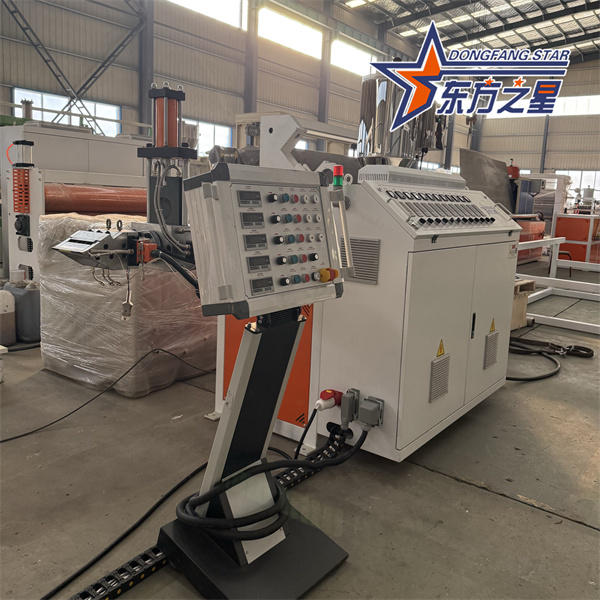
Opt for machines equipped with PLC controls, touchscreen interfaces, and real-time monitoring to minimize manual intervention and production errors.
New-generation extruders with advanced heating and cooling systems can reduce power consumption significantly, lowering long-term operational costs.
A reliable supplier should offer full technical assistance, training, spare parts availability, and responsive customer support.
Answer:
Regular maintenance is essential to prolong machine lifespan and maintain production quality. Clean the barrel and screw periodically to prevent material build-up, inspect heating zones for uneven temperatures, and lubricate moving parts. Using high-quality PS resin and following the manufacturer's maintenance schedule helps minimize wear and downtime.
Answer:
Yes. Most modern PS extruders are designed with adjustable dies and calendering systems that allow easy customization of sheet thickness, typically ranging from 0.2 mm to 2.0 mm. Switching between different product specifications can be achieved quickly by adjusting temperature profiles, roller gaps, and extrusion speeds.
When it comes to high-performance extrusion solutions, Eaststar has established itself as a trusted name in the plastics industry. With decades of manufacturing expertise, Eaststar designs and produces PS Sheet Extruder Machines that combine advanced technology, durability, and energy efficiency.
Our machines are widely used in packaging, printing, and industrial sectors around the globe. From consultation and installation to technical support and after-sales service, Eaststar ensures a seamless production experience for every client.
If you’re ready to upgrade your manufacturing capabilities and explore the latest in PS sheet extrusion technology, contact us today to discuss your requirements and request a personalized solution.